West Kentucky Healthcare Coalition Coordinates Emergency Response to a Devastating Tornado ​

West Kentucky Healthcare Coalition Coordinates Emergency Response to a Devastating Tornado ​

Western Kentucky

December 2021

Impact

The West Kentucky Healthcare Coalition's preparedness and response efforts, including its pre-determined regional surge response plan and its extensive mobile resources, led to an organized, informed, and successful response to the deadliest December tornado ever recorded in the United States. 

The coalition's activities and role coordinating the response among several partners provided the necessary situational awareness for emergency response teams to access, triage, treat, and relocate hundreds of affected patients within a 171-mile radius across the 24 counties of Western Kentucky.

Background 

On the evening of December 10, 2021, the Western region of Kentucky was devastated by an EF4 tornado. The tornado killed over 75 people and injured hundreds of others. Before the tornado touched down, the West Kentucky Healthcare Coalition, a health care coalition (HCC) established through ASPR's Hospital Preparedness Program (HPP), had already gotten to work, notifying hospitals, long-term care facilities, and emergency response partners about the potential for inclement weather. The coalition urged general facility readiness and asset preparation, which entailed testing generator functions and promoting the use of back-up communication.

Response Activities 

When the tornado hit, the West Kentucky Healthcare Coalition and its response partners sprang into action. The coalition began to organize the response using a modified COVID-19 response plan drafted as part of an HCC surge exercise, which is a requirement under the HPP cooperative agreement. They used an emergency response notification system, to communicate with and provide real-time response updates to hospitals, long-term care facilities, and emergency response teams.

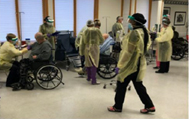
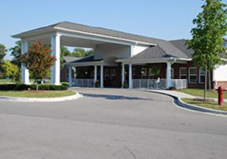
The coalition also deployed HPP-funded resources, such as mobile hospital trailers, to offer additional bed space for hospitals, if needed; sheltering trailers to help support community shelters and an assisted living facility that had to be evacuated; and mobile heaters to provide heat for outdoor community response. The coalition members set up six portable mobile broadband cases, which are used to provide cellular and data service to nearby users during a time when service is affected. These resources supported Emergency Operation Centers' (EOCs') efforts and well as field communication after the storm. The cases were moved to multiple EOCs and pharmacies throughout the weeks following the storm, to provide continuity of service and ensure communication mechanisms were in place to triage, treat, and relocate the 438 patients received at hospitals across Kentucky.
Hospital Preparedness Program Funding Helps a Burned-Out Health Care Workforce During the COVID-19 Pandemic

Hospital Preparedness Program Funding Helps a Burned-Out Health Care Workforce During the COVID-19 Pandemic

Impact:

Through its Hospital Preparedness Program (HPP) funding, New York was able to support its health care workforce, empowering virtual training session attendees to prioritize their mental health and create a supported and thus stronger health care workforce.

Both the training session and training manual have equipped health care workers with tools and the knowledge needed to create a better workspace, empower an exhausted workforce, and support their colleagues during an exhaustive emergency response. By emphasizing the role of wellness in sustaining a long-lasting career, this course and its supplemental resources equipped attendees with ways to take a more informed, collaborative, and comprehensive approach to self-care during a disaster response.

Background:

The COVID-19 pandemic has placed significant stress on health care workers across the U.S., resulting in feelings of fatigue, burnout, and overwhelm as they continue in their seemingly endless efforts to care for COVID-19 patients. Health care workers in New York State have been feeling this fatigue the last two years and in 2021, they reached a point at which acknowledging and addressing the mental health impact of the pandemic was critical.

The New York State Department of Health’s (NYSDOH’s) Office of Health Emergency Preparedness used ASPR Hospital Preparedness Program (HPP) funding to hold a virtual fatigue training session, Managing Compassion Fatigue and Vicarious Trauma During the COVID-19 Health Crisis, for the state’s Health Emergency Preparedness Coalition (HEPC) members. Invitees included individuals from health care facilities, public health partners, and local and state emergency response partners, in addition to health care association representatives.

Response Activities:

The virtual training session focused on education and symptom management for health care worker fatigue and burnout. To properly educate and equip attendees with proper information, NYSDOH brought in a subject matter expert in burnout, vicarious trauma, and compassion fatigue to train HEPC members. Course attendees learned how to identify pandemic burnout symptoms and contributors to burnout, such as compassion fatigue, empathic distress, secondary traumatic stress, and vicarious trauma. The course content was research-based and highlighted common challenges for those caring for COVID-19 patients, such as disenfranchised grief and ambiguous loss. In addition to the virtual training course, attendees received a training manual that included self-assessments to help the health care workforce identify fatigue in themselves and a wellness action plan for attendees to mentally prepare for and respond accordingly to the next mass trauma event. The training session was recorded and made available to all health care workers in the state of New York. In total, 62 HEPC members attended the virtual fatigue training session.

Mass Evacuation Training Prepares Northeast Arkansas Health Care Coalition to Rescue Nursing Home Residents in the Path of Devastating Tornadoes

Mass Evacuation Training Prepares Northeast Arkansas Health Care Coalition to Rescue Nursing Home Residents in the Path of Devastating Tornadoes

Northeast Arkansas

December 2021
 

Background

Emergency response simulations and surge trainings are key to a successful response during a real-life emergency. In June 2021, the Northeast Arkansas Office of Preparedness & Emergency Response Systems, a Northeast Arkansas health care coalition (HCC) established through ASPR's Hospital Preparedness Program (HPP), held a mass surge simulation event for a nursing home facility instead of a hospital. Little did they know that this simulation would mirror the HCC's real-life response to tornadoes that ripped across Arkansas just months later in December 2021. 

Impact

The funding administered through ASPR's HPP and the cooperative agreement's coalition exercise requirement equipped the Northeast Arkansas Office of Preparedness & Emergency Response Systems with the resources and knowledge necessary to lead the tornado response.


"Without [ASPR] funding, there wouldn't have been a response from our side. The Readiness [and] Response Coordinator wouldn't have been there, and we would've had a much harder time evacuating the stretcher patients and nursing home facilities." 

- T.L. Davis, Readiness and Response Coordinator for the Northeast Arkansas Office of Preparedness & Emergency Response Systems


This HCC was well-prepared to respond to this situation, ensuring its members had a plan in place to effectively coordinate with response partners to rescue, treat, and care for the 36 patients affected by the tornadoes. Only days after the initial response, HCC members debriefed with emergency response and health care partners to identify solutions to gaps uncovered by the recent response. The Northeast Arkansas Office of Preparedness & Emergency Response Systems' efforts are a real-world example of how HCCs not only support preparedness and response, but also facilitate continuous improvement after an emergency has subsided.

Response Activities:

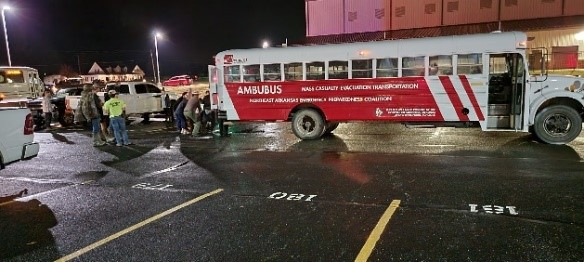
The AMBUBUS has capacity to transport 12 stretcher patients in addition to 12 ambulatory patients While there, the Readiness and Response Coordinator for the Northeast Arkansas Office of Preparedness & Emergency Response Systems took charge of response efforts for the coalition, facilitating communication between hospitals, first responders, and Response Systems took charge of response efforts for the coalition, facilitating communication between hospitals, first responders, and the EOC.
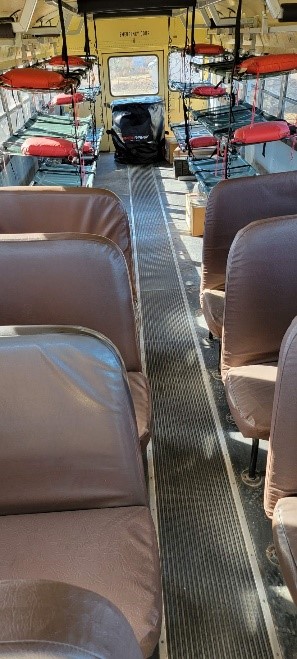
Interior of the AMBUBUSAfter organizing a response plan, coalition leaders drove the AMBUBUS toward the destruction at Quail Run Nursing Home in Trumann, Arkansas, only to find the road blocked by rubble and downed power lines. Firefighters cut power lines, allowing the AMBUBUS to reach the nursing home and safely transport all 36 patients back to the triage site for treatment and relocation. Before transporting patients from Quail Run, other coalition members transported an additional 67 residents out of Monette Manor Nursing Home facility, which was leveled by an F4 tornado, ensuring that those individuals received necessary care. Within eight hours of the response, all displaced nursing home residents were treated for any injuries and relocated to new facilities.
Health Care Coalitions in Texas Restore Essential Functions

Health Care Coalitions in Texas Restore Essential Functions

Background:

Winter storms in February 2021 impacted all 254 counties in the state of Texas resulting in power outages, impassable roadways, and dwindling resources. Texans flooded into emergency departments – in many cases using them as warming centers, quickly overwhelming hospital facilities and their staff. Other health care facilities, including long-term care facilities, nursing homes, and dialysis facilities struggled to run essential electric equipment and provide heating at the same time.

Response Activities:

Health care coalitions (HCCs) in Texas leveraged response-related procedures and infrastructure established with Hospital Preparedness Program (HPP) cooperative agreement funding to meet the urgent needs of health care facilities throughout the state.

In some instances, HCCs partnered with their local fire departments to set up filtered water stations and replenish potable water in hospitals, nursing homes, long-term care facilities, dialysis centers, and other affected health care facilities. In addition, several Texas HCCs coordinated transportation from hospitals to other warming centers using Texas Emergency Medical Task Force (EMTF) Ambulance Buses (AMBUS), to alleviate crowding in emergency departments.

One major hospital system* comprised of 50 acute care hospitals across Texas, noted almost all facilities reported electricity and health care service dependent patients were arriving in their emergency departments. With help from ASPR's Regional Emergency Coordinator (REC), the facilities utilized de-identified HHS emPOWER Program (emPOWER) data on the total number of Medicare beneficiaries who rely on electricity-dependent durable medical equipment and assistive devices and/or essential health care services in a geographic area, down to the ZIP Code. The emPOWER data allowed the facilities to better predict, plan, and prepare for the volume and needs of incoming patients at-risk of negative health outcomes. emPOWER provides federal data, mapping, and artificial intelligence tools, as well as training and resources, to help communities nationwide protect the health of at-risk Medicare beneficiaries.

Impact:

In total, the widespread loss of electricity lasted over a week and necessitated collaboration among a variety of partners across the state, including the Texas Department of State Health Services (DSHS), the Texas Division of Emergency Management (TDEM), the Texas Department of Transportation (TxDOT), the Texas Department of Public Safety (TXDPS), the Texas Animal Health Commission and Texas A&M AgriLife Extension Service (AgriLife), and amateur radio operators. When looking forward to future incidences of severe winter weather, lessons learned from the storm inspired more collaboration and planning. As an example, Texas' End Stage Renal Disease (ESRD) Network is identifying alternate power resources for dialysis facilities to mitigate any incident with widespread power loss. With the loss of power, many utilities were unable to provide much needed clean water to health care facilities. Subsequent planning has included finding alternate sources of clean water and the means to transport and store it, as necessary.

*This hospital system is located in the following HCCs in Texas: HCC E (DFW), HCC I (El Paso), HCC O (Austin/Central Texas), HCC P (San Antonio), HCC HQR (Houston/Southeast Texas), HCC U (Corpus Christi) HCC V (Rio Grande Valley).

Maine Health Care Coalition Partners with CDC Public Health Emergency Preparedness Team to Provide Psychological First Aid Training Courses

Maine Health Care Coalition Partners with CDC Public Health Emergency Preparedness Team to Provide Psychological First Aid Training Courses

Maine

August 2021

Impact:

After a comprehensive survey indicated that Maine Health Care Coalition members were unable to administer psychological first aide, Maine's Disaster Behavioral Health Coordinator partnered with Maine's Health Care Coalition (HCC) to train HCC members. The training equipped Maine HCC members, such as response volunteers, health care workers, and emergency responders, with the skills and knowledge to administer psychological first aid during a disaster response. Following the course, participants reported that they felt more prepared to provide psychological first aid to people in their communities, support other responders, and use self-care techniques.

The collaboration between Maine's HCC and Public Health Emergency Preparedness (PHEP) teams filled a gap in preparedness, and equipped first responders to provide comprehensive care to survivors through both medical and psychological first-aid treatment. Additionally, by providing self-care techniques for first responders to monitor their own mental health, the training emphasized the importance of first responders' mental health, fostering a culture of wellbeing and self-care within a high-stress environment. 

Background:

In April 2021, the Maine health care coalition sent out an emergency response, safety, and wellness survey to its members. The results of the survey identified a clear gap in comprehensive preparedness: a lack of psychological first aid training. Additionally, members expressed their inability to maintain self-care and resilience in times of extreme stress, seen through the COVID-19 response and other emergency response situations.

To address this gap in preparedness, the Maine HCC partnered with Maine's Disaster Behavioral Health Coordinator, a member of the state's Centers for Disease Control and Prevention (CDC) PHEP team, to host two virtual Psychological First Aid training courses for HCC members.

Psychological first aid is designed to be used to help reduce the stress caused by traumatic events, such as a disaster or a major infectious disease outbreak. Use of psychological first aid can help survivors cope with near-term stress and helps improve long-term recovery. The COVID-19 pandemic has caused stress in communities across the country, making the need for trained responders more important than ever before.

Preparedness Activities:

The three-hour virtual training, led by Maine's Disaster Behavioral Health Coordinator, was designed to highlight the first aid aspect of mental health care before, during, and after a disaster or emergency.

The course content was comprised of eight different modules that outlined various emergency response situations, highlighting the ideal language to use and approaches to take when working with an individual experiencing psychological distress. Participants also received training to support their own mental health, offering self-care techniques for emergency responders to use before, during, and after a disaster. In addition to the virtual training, course participants received supplementary resources such as additional training modules, tips, and leading psychological first-aid research, to help them provide comprehensive care during a disaster response.

More Information: To learn more about Maine's Disaster Behavioral Health Program, visit the Maine Disaster Behavioral Health webpage or review the resource webpage. 

Illinois Uses ASPR Hospital Preparedness Program Funding to Improve Pediatric Emergency Response Education by Digitalizing a School Nurse Training Course

Illinois Uses ASPR Hospital Preparedness Program Funding to Improve Pediatric Emergency Response Education by Digitalizing a School Nurse Training Course

Chicago, Illinois

August 2021

Impact:

Within just three months of the launch of a newly redesigned online course on pediatric emergency response, nearly 25 percent of the 1,500 school nurses across Illinois signed up to participate. In response to the COVID-19 pandemic, the course was made available online thanks to a partnership between the Ann and Robert H Lurie Children's Hospital of Chicago (Lurie Children's), Illinois Department of Public Health, the Illinois' EMS for Children (EMSC) program, and the Hospital Preparedness Program.

Since the 1990's, Illinois has been offering this popular training, which includes modules on assessment and triage procedures, behavioral and mental health emergencies, management of the student prior to the arrival of emergency medical services (EMS), chronic conditions, and care for students with technology-dependent needs (e.g., use of wheelchairs or ventilators). When the COVID-19 pandemic prevented school nurses from taking the course in person, the course was transitioned to an online program to ensure continued access to the material, increase the number of attendees, and enhance equity.

The course is also available to nurses from five other states, with participants joining from Connecticut, Delaware, Georgia, North Carolina, and Virginia . The updated course ensures that those on the frontline of a pediatric emergency are best equipped to handle the situation. Through the use of HPP annual funding, the Illinois Department of Public Health was able to strengthen emergency preparedness and response by providing an accessible and comprehensive training course. 
 

Background:

Beginning in the 1990s, Illinois was one of several states to offer an in-person emergency care course to school nurses practicing in the state. While some modules of the course, originally designed by the University of Connecticut, review general anatomy and related health emergencies, others focus on specific topics such as assessment and triage procedures, behavioral and mental health emergencies, management of the student prior to the arrival of emergency medical services (EMS), chronic conditions, and care for students with technology-dependent needs (e.g., use of wheelchairs or ventilators).

Before the pandemic, Illinois offered the course as an in-person training during the summer months to the state's population of over 1,500 school nurses. When the COVID-19 pandemic prevented the course from taking place in person, the Ann and Robert H Lurie Children's Hospital of Chicago (Lurie Children's), in partnership with the Illinois Department of Public Health and Illinois' EMS for Children (EMSC) program, used ASPR Hospital Preparedness Program (HPP) cooperative agreement funding to update the modules and convert them to a digital format as a virtual training.

Response Activities:

The team at Lurie Children's used funding provided by the Illinois Department of Public Health's Hospital Preparedness Program to form a committee of subject matter experts, which included school and emergency nurses who served as instructors and course coordinators for the in-person course. This assured that they were familiar with the course content and could identify needed revisions to material. This committee reviewed the current training to identify areas that required updating to reflect the latest clinical standards.

After the course material was updated, Lurie Children's used HPP funding to contract a vendor to create virtual lectures with updated graphics and audio components. The new online course includes access to a 600+ page resource document to supplement the modules. Each module is about an hour in length, allowing participants to complete the course at their own rate and on demand. 


American Samoa Uses Hospital Preparedness Program Funding to Equip an All-Hazard Training Facility Aimed at Strengthening Territorial Health Care Preparedness and Response

American Samoa Uses Hospital Preparedness Program Funding to Equip an All-Hazard Training Facility Aimed at Strengthening Territorial Health Care Preparedness and Response

American Samoa

June 2021

Impact:

American Samoa EMS partnered with the Hospital Preparedness Program to enhance the region's new All-Hazard Training Facility. Providing constant training support and resources to partners across this large U.S. territory has been a challenge. The All-Hazard Training Facility serves as a central location for the health care community to connect, collaborate, and plan across tribal communities. By involving tribal leaders in training and response, health care partners are able to better educate communities throughout American Samoa and unite preparedness and response activities across the territory. HPP funding was used to provide important resources needed for learning, from conference tables to Smart Boards.

American Samoa's health care partners are planning for upcoming trainings at the new facility for public health authorities, first responders, hospital officials, and tribal leaders across this U.S. territory. Due to critical COVID-19 response efforts, in-person trainings have been delayed with plans for a personal protective equipment refresher course in early 2022. 
 

"When we respond, we respond together as an island. Not as government or tribal, but as one big community."

- Jacqueline Solaita,
Assistant Director of the Public Health Emergency Preparedness & Response Division

Department of Health

Background:

American Samoa consists of five South Pacific islands and is home to over 55,000 residents from multiple indigenous populations. These indigenous populations are led by tribal leaders who collaborate with territory government organizations. Due to its geographic features, the territory has wide variation in local capabilities and resources, which poses a challenge to health care and public health emergency preparedness and response.

The American Samoa Department of Health Healthcare Coalition Committee, a health care coalition (HCC) established through ASPR's Hospital Preparedness Program (HPP), is made up of four core members: the Lyndon B. Johnson Tropical Medical Center, the American Samoa Department of Health, American Samoa Emergency Medical Services (EMS), and the Veterans Outpatient Clinic. The HCC recognized that it was difficult to provide consistent support and resources across the territory. In response, American Samoa EMS, the committee lead, stood up an All-Hazard Training Facility, which aims to support emergency preparedness and response by offering trainings for territorial health care, emergency, and community organizations. Ben Sili, the Director of the Division of Emergency Preparedness at American Samoa Department of Health, worked closely with Galumanemana Avegalio, the American Samoa EMS Chief, to establish the facility.

Response Activities:

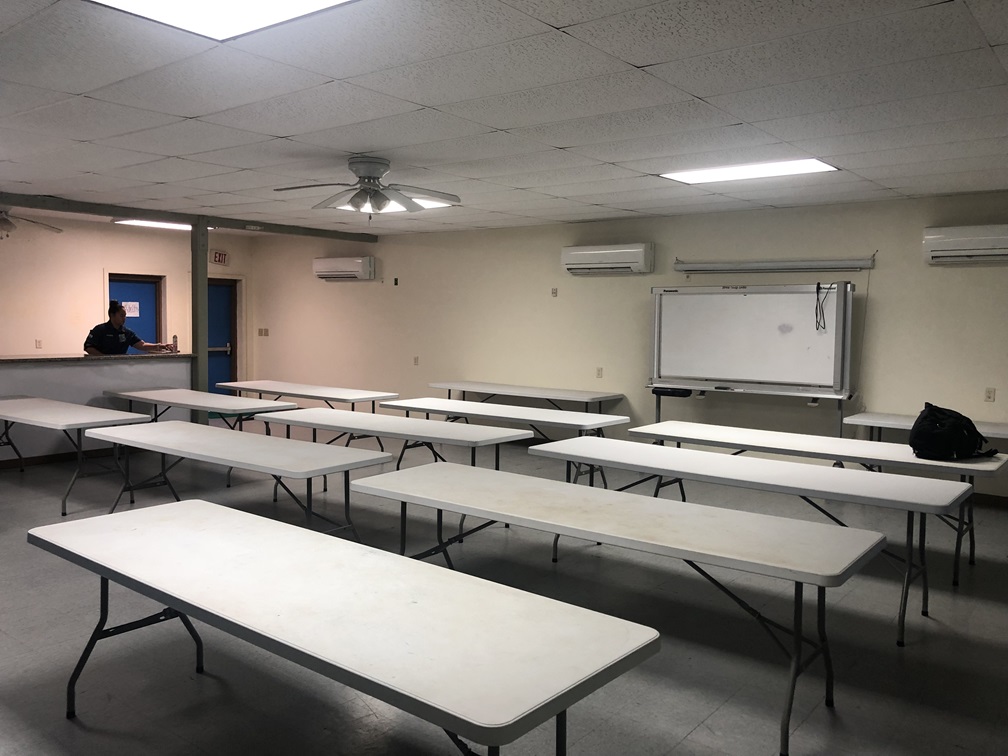
A classroom at the All-Hazard Training Facility.American Samoa EMS used HPP cooperative agreement funding to equip the new training facility with resources such as smartboards and meeting tables, as well as cubicles with individual computers for online trainings. The new All-Hazards Training Facility allows coalition member organizations, such as the Department of Health and representatives from the Lyndon B. Johnson Tropical Medical Center, to host and attend in-person and virtual trainings as well as weekly meetings. Many of the in-person training sessions at the facility will be tailored to American Samoa, ensuring capacity building supports the unique planning and communication activities required to bridge gaps between the government and tribal organizations.
Since June 2021, when the facility first opened, American Samoa EMS has hosted several HCC meetings as well as one hospital training at the facility. Several community members have also participated in virtual trainings using the technical equipment at the facility. 
 

Telehealth Booth Increases Access to Health Care in North Carolina During the COVID-19 Pandemic

Telehealth Booth Increases Access to Health Care in North Carolina During the COVID-19 Pandemic

North Carolina 

June 2021 

Background

To decrease the risk of COVID-19 exposure between doctors and their patients, telehealth services have become an increasingly popular way to receive care. While telehealth is a convenient option for many, patients without reliable internet access cannot always utilize telehealth services. Limited access to telehealth resources at home may cause some people to delay medical care or preventative visits, causing them to avoid seeking critical care when they need it. This is the case in Robeson County, North Carolina, where according to 2020 Census data, 59.1% of households do not have broadband access.

Response Activities

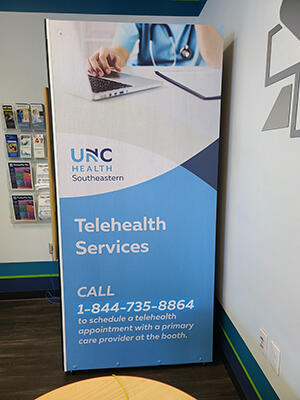
UNC Health Telehealth BoothThe University of North Carolina (UNC) Health Southeastern's Community Health Services has begun to operate a telehealth booth for public use in Lumberton as a step towards overcoming inequitable access to health care resources. The booth, placed in UNC Health Southeastern's Community Health Education Center, was purchased using Hospital Preparedness Program (HPP) cooperative agreement funds. This booth will give communities with inadequate broadband connections the chance to schedule one-on-one Zoom appointments with a provider of their choosing. It is self-guided and equipped with temperature sensors and blood pressure monitors. Additionally, each booth location will have trained, on-site individuals present to assist with any operational issues that patients may encounter. Patients schedule their telehealth appointments through UNC Health Southeastern's Contact Center.
There are currently five telehealth booths that have been placed in high-traffic areas throughout Robeson County, with additional installations planned for 2021. Program leaders worked with community partners to identify the community's barriers to health care service access and determine locations that would be most accessible to county residents. To ensure broad accessibility, booths are placed at the Robeson County Housing Authority, Maxton Medicine Shoppe, and Robeson County Sheriff's Department.

Impact

The installation of the telehealth booths provides residents across Robeson County with the opportunity to experience the benefits of telehealth despite significant disparities in individual broadband access. As the program moves into the next phase of implementation, the focus has shifted to community engagement and marketing to specific populations that are expected to benefit the most from the booths. Although these efforts have just begun, there has already been a notable increase in MyChart signups for the booths. By standing up these telehealth booths, Robeson County is transforming patient care in an equitable and accessible way for the community.

Michigan DHHS Partners and its Region 6 Healthcare Coalition Collaborate to Deliver Infusions of Monoclonal Antibodies to High-Risk Veterans

Michigan DHHS Partners and its Region 6 Healthcare Coalition Collaborate to Deliver Infusions of Monoclonal Antibodies to High-Risk Veterans

Michigan

December 2020

Situation

On December 16, 2020, the Michigan Department of Health and Human Services (MDHHS) and Region 6 Healthcare Coalition partnered to perform infusions of the COVID-19 monoclonal antibody therapeutics for residents at the Grand Rapids Home for Veterans. Spectrum Health also supported the effort by providing monoclonal antibody therapeutics to the clinic.

Intervention

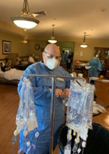
Medical professional preparing IV infusion bags

Local emergency medical services (EMS) supported the administration of IV infusions. Nurses and paramedics f rom the MDHHS Mobile Crisis Teams monitored the patients for any adverse reactions.

Impact

To date, this is the second and largest single-day infusion clinic to occur in the state of Michigan, according to Anne Zerbe, executive director at Michigan Veteran Homes. Major General Paul Rogers, Adjutant General and director of Michigan's Department of Military and Veteran Affairs, had this to say: "The outstanding partnership between MDHHS, Spectrum Health and local EMS providers is another example of our state's proactive approach to getting the best treatment to our most vulnerable populations, in this case, Michiganders who have already given their utmost to protect us." Ultimately, this effort resulted in 19 high-risk veterans being treated.


This story was developed and submitted by the Amber Pitts, the HPP Coordinator for the state of Michigan. The ASPR Health Care Readiness Programs Communications Team made minor updates throughout for clarity.

Group photo of medical staff and patients Photo of staff administering mAbs to elderly veterans Group of photo Mobile Crisis Team

Michigan DHHS and its Region 2 North Healthcare Coalition Support Skilled Nursing Facility with Staffing and PPE Needs Related to Infusion Treatment for COVID-19

Michigan DHHS and its Region 2 North Healthcare Coalition Support Skilled Nursing Facility with Staffing and PPE Needs Related to Infusion Treatment for COVID-19

Michigan 

December 2020

Situation

In December 2020, Regency on the Lake, a Skilled Nursing Facility in Fort Gratiot in St. Clair County, Michigan, had an outbreak of COVID-19 among its residents and needed support to provide COVID-19 therapeutics to help prevent the need for hospitalization. After exploring alternatives, the facility reached out to its partners through the Region 2 North Healthcare Coalition and requested monoclonal antibody therapeutics and additional staffing support to provide the infusion treatment.

Intervention

Michigan nursing facility

On December 10, 2020 various partners from the health care coalition enthusiastically provided support to the emergency response team, under the direction of the Regency on the Lake administration. This support included the following:

  • Michigan Department of Health and Human Services, which provided additional staffing support, medical treatment knowledge, and the therapeutic treatments;

  • Tri-Hospital EMS in Port Huron, which provided staffing support to administer the therapeutics;

  • Region 2 North Healthcare Coalition, which helped make connections for the potential need for additional personal protection equipment (PPE);

  • St. Clair County Emergency Management, which provided additional PPE; and

  • Legal department of Regency on the Lake corporate offices, which ensured all processes were followed and family notifications were completed.

Impact

The emergency response team was in place, and the therapeutics were delivered the following day. This demonstrated the power of working together to address and immediate need, help save lives, reduce potential trips to the hospital, and utilize the resources available. "The entire process of coming together and working together was great!" recalls Kathy Leverenz, Administrator at Regency on the Lake. "We were able to give 19 of our residents the antibodies with mostly positive results."


This story was developed and submitted by the Amber Pitts, the HPP Coordinator for the state of Michigan.

Subscribe to