Answering the Call: How the Northeast Central Ohio Regional Healthcare Coalition Prioritized Community Care and Coordination After the East Palestine Train Derailment

Answering the Call: How the Northeast Central Ohio Regional Healthcare Coalition Prioritized Community Care and Coordination After the East Palestine Train Derailment

East Palestine, Ohio
February 3, 2023 

Quick Look 

Background

On February 3, 2023, a train derailment and chemical spill in East Palestine, Ohio, threatened the health of the town’s nearly 5,000 residents.

Response 

The Northeast Central Ohio (NECO) Regional Healthcare Coalition (HCC), supported by the Hospital Preparedness Program (HPP), worked with local, state, and regional partners to coordinate a multi-phased response effort. Previous trainings and exercises strengthened the response, leveraged existing community relationships, and provided access to situational awareness tools. The HCC coordinated hospital bed availability and patient transport with hospitals across the state, as well as established a local health clinic for injured residents.

Impact 

The HCC’s community-centered response highlighted the importance of conducting preparedness exercises to strengthen regional collaboration and establish robust communication systems in advance of a disaster, all of which contributed to zero fatalities and minimal injuries throughout the region.

No one anticipated what the night would hold as evening fell over East Palestine, Ohio, on February 3, 2023. At 8:55 p.m., emergency responders received reports of a freight train derailment in Columbiana County, about a quarter mile west of the Ohio-Pennsylvania state line. It wasn't just the wreckage that caused alarm. The train was carrying hazardous materials. As chemicals began to seep into the air and critical water sources, the gravity of the situation became all too clear.

What unfolded in the days, weeks, and months that followed was nothing short of extraordinary—a testament to the power of planning, communication, and collaboration focused on meeting community needs.

The Response

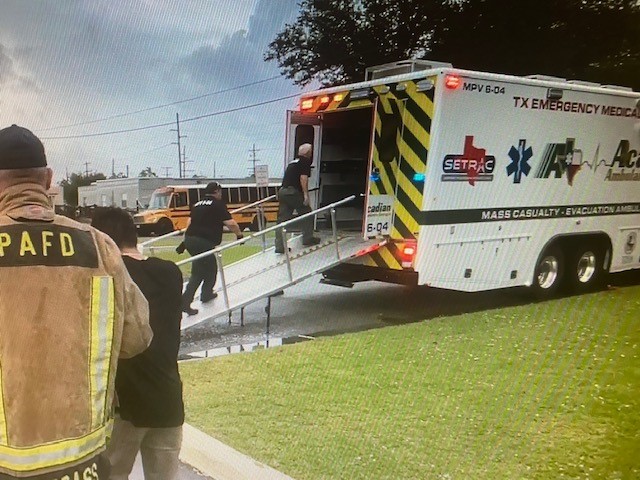
As plumes of smoke billowed into the sky, responders quickly evacuated the small town’s nearly 5,000 residents as volunteer fire departments tried to control the blaze. First responders alerted the NECO HCC, prompting the coalition to spring into action and begin shaping a coordinated response effort. 

NECO HCC is funded by ASPR’s HPP. As part of their cooperative agreement requirements, the NECO HCC conducts annual emergency preparedness and response exercises, working with its members to build and exercise community-specific plans for potential disasters. Beyond developing blueprints for response, these efforts build strong relationships and trust between NECO HCC members, including: hospitals, emergency medical services, emergency management agencies, public health, long-term care facilities, dialysis centers, and public safety partners.

In the days that followed, information sharing was paramount. The county’s biggest fear was injuries in East Palestine and the surrounding area. The county coordinated with their hospitals locally and across the region. The HCC used a state-wide patient tracking dashboard to monitor bed availability in all hospitals across Ohio. The HCC also coordinated frequent situational awareness updates with hospitals and emergency medical services in the state as they prepared to receive a potential influx of patients. Fortunately, the region avoided mass injuries by swiftly evacuating all affected residents as crews cleaned up the initial wreckage.

The NECO HCC's response readiness was put to the test and the results were remarkable. The region saw zero fatalities and minimal injuries, thanks to extensive planning, quick action, and effective communication.

“We've always done drills and coordinated activities, but this time it was real. We had rail cars on fire. We had potential for catastrophic explosions with chemicals all over our community in which thousands of people could have been impacted, including hundreds of first responders. Our big concern on Day One was ‘What's our surge capacity? What's our surge potential? What are we going to do when we have thousands of casualties? Can we handle it?’ That’s really where I had a lot of confidence in the HCC and in the region, knowing what our capabilities were.”

- Wes Vins,
Columbiana County Health Commissioner

Transitioning to Recovery

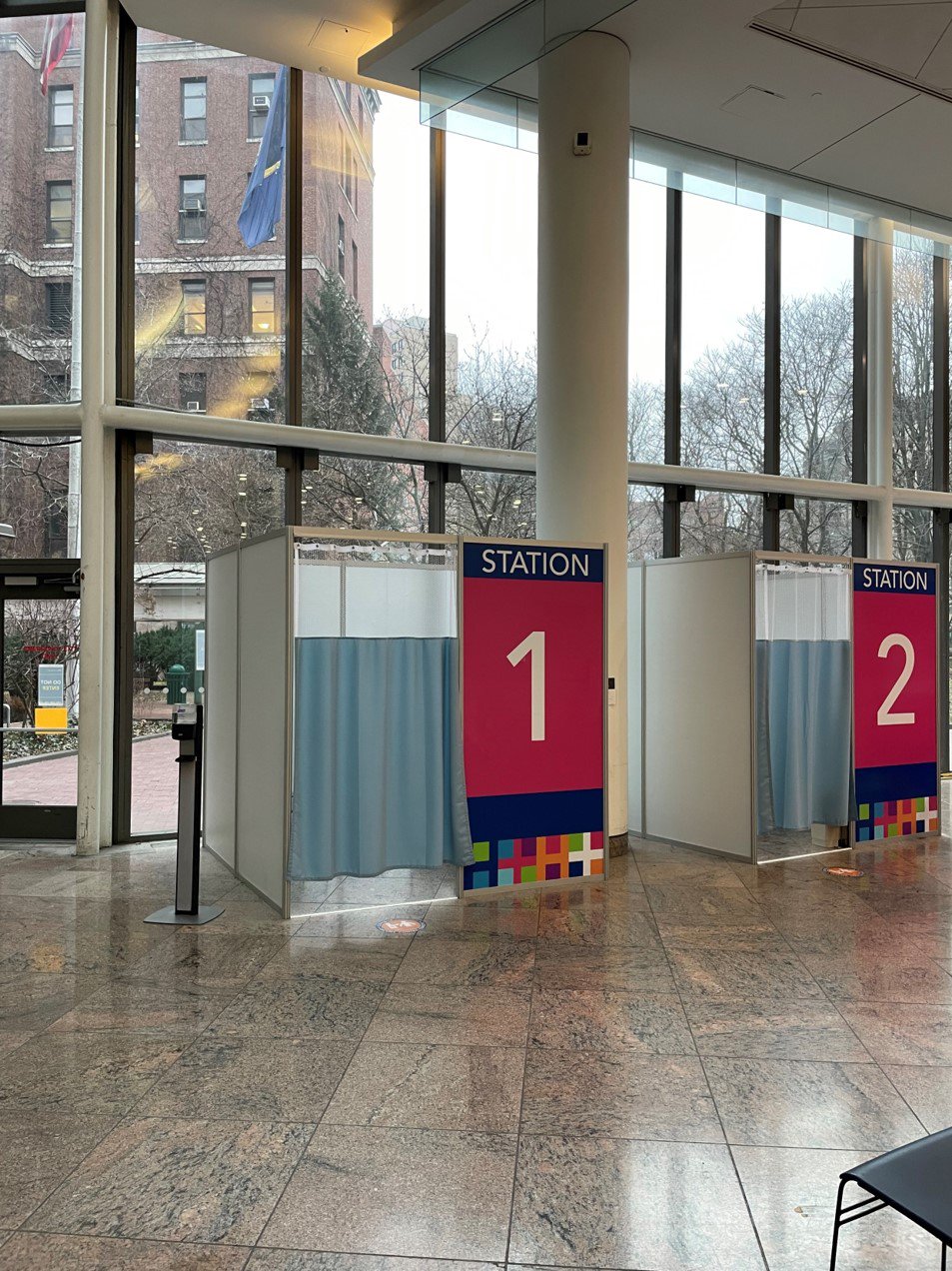
Nearly two weeks later, the response transitioned to recovery, which included establishing a health assessment clinic. The NECO HCC coordinated the temporary clinic in a local Columbiana County church, providing hope and support for residents with ongoing respiratory and dermal injuries. The Ohio Department of Health played a critical role at the clinic, providing nursing support, technical assistance, and funding for a clinic physician. After operating for 28 days and serving 338 residents, the temporary clinic eventually evolved into a permanent health facility to meet the community’s need for ongoing post-exposure care.  

“We were able to quickly adjust and adapt because of the strong foundations laid by HPP funding and years of collaboration,” she noted. “From supporting resources like the statewide hospital capacity tracking dashboard that helped maintain situational awareness and coordination, to building key relationships with HCC members through frequent meetings, interactions, drills, and exercises, HPP support positioned us for a successful response.”

- Sarah Metzger
NECO HCC’s Regional Healthcare Coordinator

As the dust settled and the smoke cleared, the community of Columbiana County emerged stronger and more united.

“We couldn't have done it without our partners. Everybody said, ‘How can I help?’ Nobody said, ‘It's not my job’. It didn’t matter who it was, or where they were coming from.”

- Wes Vins,
Columbiana County Health Commissioner

Conclusion

The NECO HCC’s story stands as a powerful testament to preparedness, collaboration, and community resilience in the face of a man-made disaster. The successful response highlighted the value of having a community-centered coordinating entity, like an HCC. The HCC and its partners coordinated a lifesaving response that drew upon relationships, prioritized health equity, and minimized strain on area hospitals. The NECO HCC’s response shows that extraordinary things can be achieved when we come together in the face of crisis.
HCCs Help Utah Prepare for Burn Mass Casualty Incidents

HCCs Help Utah Prepare for Burn Mass Casualty Incidents

Value of Locally-led Preparedness Efforts

When ASPR's Hospital Preparedness Program (HPP) introduced health care coalitions (HCC), the Utah Department of Health shifted its focus to provide statewide resources through a locally-driven approach. For example, the Department reduced its number of statewide trainings, and instead provided more funding to the regional coalitions for personnel, training, exercises, and equipment.

For events that still require statewide coordination, such as the Burn Care and Mass Casualty Course (BCMCC), the Department of Health, in partnership with the University of Utah Health Burn Center, works with the HCC coordinator to identify a reasonable scenario based on local threats and hazards, and uses local facilities to host the courses. Bringing training to the local level helps reinforce the value of the coalition among partners. It also provides an opportunity to introduce the coalition members to other partners in the community, develop a shared understanding of the response role of the coalition, and communicate how the coalition supports their local communities.

The Critical Role of HCCs in a Burn Mass Casualty Incident

Preparedness:

  • Organize community and relevant partners, including burn centers
  • Prepare hospitals to receive, stabilize, and manage burn patients
  • Equip caches and resources with burn materials
  • Train and build skills for all HCC members
  • Exercise to test plans and response

Response:

  • Develop situational awareness of health/medical
  • Share information between members
  • Acquire and manage resources
  • Promote mutual aid between local members
  • Function as a health care liaison to local jurisdictions
  • Serve as the eyes and ears for state/federal asset deployment

BCMCC Across Utah

Existing partnerships improve disaster response, and inter-professional collaboration is essential to saving lives in emergencies and disasters. With this in mind, the University of Utah Health Burn Center, in partnership with the Utah Department of Health, collaborated with HCC leaders to improve first responder and first receiver readiness for a burn mass casualty incident. They created the BCMCC based on established guidelines for acute burn care and crisis standards of care to prepare the state for an emergency requiring burn care, a critical area of specialty care.

The BCMCC course has two tracks, one for emergency medical services (EMS) and one for health care. The BCMCC has been delivered to 236 participants across all seven Utah regions. Participants included physicians (5%), nurses (30%), EMS providers (43%), private sector response teams, outpatient clinicians, health department, and safety/security personnel.

Burn Mass Casualty Training and Exercises

The Department of Health, in partnership with the University of Utah Health Burn Center, has also hosted a BCMCC Summit, trained >30,000 professionals since 2012, and conducted over 20 burn care exercises over the past eight years. These include 13 tabletop exercises, eight full scale exercises (e.g., Air Show exercises involving county and military participants), and exercises with the Radiation Injury Treatment Network receiving center at the airport.

HPP-Supported App Now Provides Lifesaving Resources to Individuals with End Stage Renal Disease in 13 States 

HPP-Supported App Now Provides Lifesaving Resources to Individuals with End Stage Renal Disease in 13 States 

South Carolina

September 2022

Impact

The South Carolina Lowcountr y Healthcare Coalition (LCHCC) partnered with the non-profit organization Island Peer Review Organization (IPRO) and members of its Dialysis Work Group to use Hospital Preparedness Program (HPP) funding to develop an app that connects individuals with End Stage Renal Disease (ESRD) and their caregivers to information and resources that can help them find treatment before, during, and after a disaster. When patients receive treatment, they are less likely to need hospitalization.

The ESRD Emergency Hub app was created with the input of ESRD patients and their caregivers, and their unique and valuable perspectives were reflected in its design and capabilities. The LCHCC drew upon its vast partner network, including health care entities, emergency management, and kidney centers, to develop the app. By providing critical information to individuals with ESRD and their caregivers before, during, and after disasters, the app has the potential to reduce the need for them to seek care at hospitals, which could help alleviate some of the surge hospitals typically face during disasters. 
 

Since its launch in September 2022, the ESRD Emergency Hub app has been downloaded over 1,000 times and has issued 49 notifications to users about disasters including floods, extreme winter weather, hurricanes, tropical storms, heat advisories, air quality alerts, snowstorms, and tornados. As of August 2023, the app now serves 12 states in addition to South Carolina, ensuring both individuals with ESRD and their caregivers have near-immediate updates, resources, and information when normal care is disrupted. 

Background 

During a disaster, transportation services for home health and dialysis patients are often suspended, leaving many without access to the lifesaving care, including dialysis treatments or medication that they require. As a result, individuals with ESRD often turn to hospitals in search of care during a disaster, putting additional stress on both hospital staff and resources. 

This was the case in South Carolina's Lowcountry, a coastal area that is impacted by hurricanes almost every year. After seeing a gap in critical care for many individuals in the area, the LCHCC partnered with IPRO, a non-profit that manages four federally funded ESRD Networks across the US, to use HPP funding to develop the ESRD Emergency Hub app. The app is free and sends alerts to connect individuals with ESRD and their caregivers to relevant information and resources specific to a given emergency or disaster, helping them find treatment when normal services are interrupted. The development team worked closely with LCHCC's Dialysis Work Group, which included representatives from several nationwide dialysis care clinics, acute care hospitals, and state emergency management officials, to develop a comprehensive and patient-centered emergency response notification application for individuals with ESRD. 

In addition to working with their Dialysis Working Group partners, the team worked with dialysis patients throughout the app's development and testing phases to gain additional insight into their experiences finding care during disasters. The app officially launched in September 2022. 

Response: 
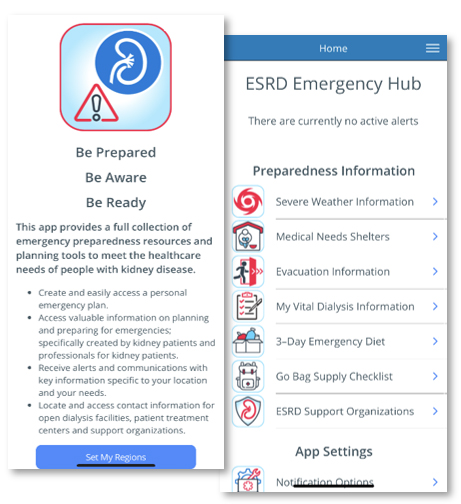
Screenshot of the App

When services are interrupted during an emergency event, it is critical that patients and their caregivers maintain access to a dialysis clinic. The ESRD Emergency Hub App alerts users before anticipated disasters and during subsequent interruptions in care by notifying them of nearby operational dialysis facilities and outlining the resources needed in the event that care is delayed. Leveraging information users provide upon registration, the app's alerts are geographically targeted. If patients are unable to receive dialysis treatment, the app also provides tools such as a "three-day emergency diet plan" to help sustain an individual's vitals until they can reach care. Overall, the app focuses on continuity of care for dialysis patients by helping them navigate where to go and what to do, before, during, and after an emergency. As an added convenience, through the app, patients can even track their dialysis center's information, as well as input and track their prescriptions. 

The app works in conjunction with an online blog managed by IPRO where emergency notifications and information are published. As of August 2023, the app is available to patients in 13 states (Maine, Massachusetts, Vermont, New Hampshire, Connecticut, Rhode Island, New York, Ohio, Kentucky, Indiana, North Carolina, Georgia, and South Carolina).

For more information on the ESRD Emergency Hub App, check out the ESRD webpage which includes more details on the app including how to download it. 


1. "Emergency Hub App Helps Those with Kidney Disease Stay Healthy During Hurricane Ian." IPRO, October 14, 2022. 

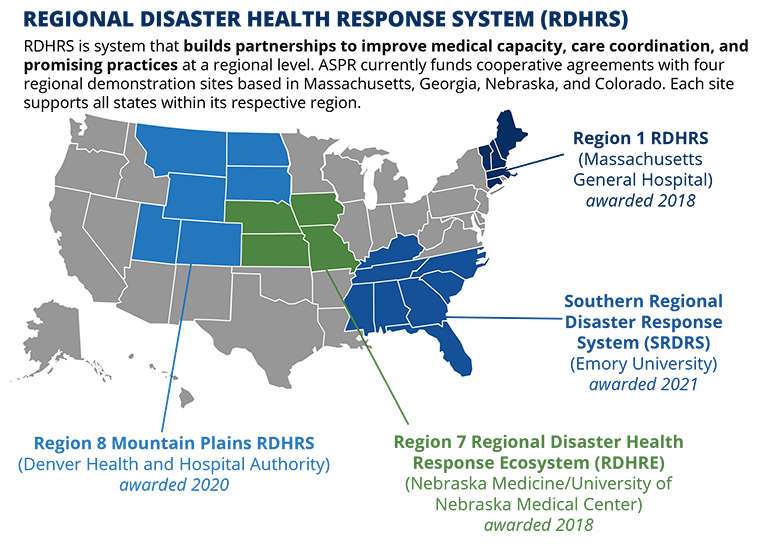
Regional Disaster Health Response System Demonstration Sites Provide Critical Support By Coordinating Information Sharing Efforts and Technical Assistance Throughout Pediatric Surge

Regional Disaster Health Response System Demonstration Sites Provide Critical Support By Coordinating Information Sharing Efforts and Technical Assistance Throughout Pediatric Surge

Fall 2022 - Spring 2023

Impact

Regional Disaster Health Response System (RDHRS) demonstration sites provided critical support for hospitals and clinicians throughout the pediatric surge caused by RSV (respiratory syncytial virus) in 2022. The RDHRS sites worked to enhance situational awareness within their regions by standing up patient tracking dashboards, developing and disseminating pediatric surge tools and resources, and hosting meetings with all response partners to provide technical assistance and real-time updates on regional surge status. Leveraging their robust partner networks, the RDHRS sites increased bidirectional communication between all entities and organizations involved in pediatric surge response, supporting a well-informed and organized system that prioritized timely and effective patient care. 

RDHRS Infographic 


Background

As the 2022-23 school year began, the spread of respiratory viruses such as RSV and influenza accelerated, causing a sharp demand for pediatric acute care services across the country. ASPR's RDHRS demonstration sites sprang into action, working together with the Pediatric Centers of Excellence as well as partners across health care and public health, to support the pediatric surge and help ensure timely and accessible care to patients in need. 

Response

Region 1 Regional Disaster Health Response System: 

The Region 1 RDHRS worked tirelessly to bolster situational awareness across Region 1 hospitals, developing resources and tools to assist hospitals, health care coalitions, public health departments, and other health professionals throughout the pediatric surge. During the surge, community hospital clinicians described needing to make many calls to find an inpatient bed for their pediatric patients. Region 1 RDHRS, in collaboration with ASPR Region 1, created a web-based pediatric patient transfer availability tool that helped community clinicians better identify which pediatric hospitals were able to take transfers at any point in time. Across the region, there were over 200 people registered for the tool. Region 1 RDHRS also built pediatric-specific adaptations to its disaster telehealth tool which could enable regional pediatric referral centers to provide intensivist guidance to clinicians across the region. Finally, the Region 1 RDHRS worked with Regional Emergency Medical Services for Children (EMSC) leads across New England to put together a six-part educational webinar series which focused on building additional clinical and operational capabilities to manage pediatric patients with acute respiratory illness. The series had over 1,800 participants and brought timely guidance to intensivists on the front lines. In addition to all of their efforts, the Region 1 RDHRS continuously updated its website with links to pediatric surge resources and the Pediatric Centers of Excellence, providing timely and relevant information to support the response. 

Region 7 Regional Disaster Health Response Ecosystem:

The Region 7 Regional Disaster Health Response Ecosystem (RDHRE) leveraged its assets to enhance situational awareness throughout the pediatric surge. Region 7 RDHRE hosted the Region 7 Pediatric Acute Care stakeholders on routine calls which convened practitioners from all major children's hospitals and any acute care hospitals with pediatric beds, public health partners, health care coalition coordinators, regional ASPR representatives, and hospital associations in the region. During these calls, pediatric experts shared promising practices on topics such as: informing adult critical care practitioners on relevant pediatric care; troubleshooting supply and equipment shortages; identifying barriers with patient movement; and brainstorming safe staffing models for hospitals. In addition to these calls, the Region 7 RDHRE collaborated with all 22 pediatric hospitals and six pediatric transport teams in the region to develop situational reports detailing hospital capacity as well as challenges with staffing, bed availability, and supply shortages. The team also identified additional transport services and resources, ensuring hospitals in the region had backup options, should state-based transport teams be unavailable to help. Finally, the Region 7 RDHRE stood up a rapid pediatric bed availability dashboard for the region, a resource that helped hospitals identify where to transfer patients, during times of surge. 

Region 8 Mountain Plains Regional Disaster Health Response System: 

The Region 8 Mountain Plains RDHRS supported hospitals across the region by aligning hospital surge data, identifying and sharing pediatric specific trainings and resources, and providing technical support. The Region 8 RDHRS supported data collection on the RSV surge and pediatric bed availability across the region and surrounding states and worked with two major children's hospital transfer centers which identified available beds in the region. To supplement the situation reports, and at the request of partners, the Region 8 RDHRS facilitated a weekly meeting between Primary Children's Hospital, Children's Hospital – Colorado, the Colorado Department of Public Health & Environment (CDPHE), and the Utah Department of Health and Human Services to discuss situational awareness, ongoing challenges, load balancing, and best practices. The team also provided technical support to the CDPHE Medical Operations Center by developing recommendations for use of adult intensive care unit (ICU) beds for pediatric patients, pediatric staffing considerations, and pediatric respiratory patient training modules by activating the Medical Advisory Panel (MAP). In addition, the Region 8 RDHRS coordinated and planned for the Region 8 Pediatric Town Hall with partners from the Pediatric Pandemic Network and ASPR Region 8. 

Region 4 Southern Regional Disaster Health Response System:

The Southern Regional Disaster Response System (SRDRS) supported the development and dissemination of several pediatric surge specific resources for practitioners and hospitals to reference. The SRDRS collaborated with the Regional Emerging Special Pathogen Treatment Center (RESPTC) based at Emory University to hold both a podcast and webinar highlighting promising practices on pediatric acute care basics for adult care specialists, resources on the clinical management of RSV, and hospital bed placement and patient transportation resources. In addition to these webinars, SRDRS shared recently published contingency planning resources surrounding the use of adult ICU beds for pediatric patients. Finally, the SRDRS worked to provide pediatric technical assistance to community partners, particularly for sites with less pediatric experience and exposure.

Read more about RDHRS pediatric surge response through the recent post on ASPR's Blog.

Regional Emerging Special Pathogen Treatment Center (RESPTC) Leads Timely, Patient-Centered Response to the Monkeypox Outbreak in New York City

Regional Emerging Special Pathogen Treatment Center (RESPTC) Leads Timely, Patient-Centered Response to the Monkeypox Outbreak in New York City


New York City
Summer 2022
 

Impact

In the spring of 2022, New York City (NYC) was one of the first jurisdictions where people were diagnosed with mpox, and case counts rose dramatically over the course of the summer.[1] Yet even before NYC confirmed its first positive patient, the Regional Emerging Special Pathogen Treatment Center (RESPTC), based out of New York City (NYC) Health + Hospitals/Bellevue (NYC H+H/Bellevue), activated its Special Pathogen Program to triage and treat patients infected with mpox. Through collaboration across multiple departments within Bellevue, hospitals across the city, and the NYC Department of Health and Mental Hygiene, the RESPTC established shared protocols, based in trauma-informed care, for patient transportation, screening, testing, treatment, vaccination, inpatient care, and telehealth services. In a situation where saving time saves lives, the RESPTC and its team of trained providers, nurses, epidemiologists, and pharmacists were invaluable to the success of NYC's mpox response.

Thanks to the RESPTC's near-immediate response, emergency departments treated and admitted 158 mpox patients to hospitals across the NYC H+H system, and Bellevue vaccinated 335 individuals as of June 23, 2023. 

Background 

Region 2 RESPTC Mpox vaccination clinic

RESPTCs serve as regional hubs for the National Special Pathogen System, a tiered, national system that assists health care facilities with infectious disease readiness, educates and trains providers, provides technical assistance, supports research capability and capacity, and enables surge activities.

NYC H+H/Bellevue is a recipient of ASPR's RESPTC cooperative agreement funding, which funds health care facilities working to enhance their capabilities and capacity to care for high-consequence infectious diseases. As mpox cases increased, the RESPTC collaborated with multiple departments within Bellevue, NYC H+H, and the NYC Department of Health and Mental Hygiene (DOHMH), to stand up ambulatory testing, immunizations, patient-centered inpatient care, and outpatient therapeutics, including the first mpox post-exposure prophylaxis vaccinations in NYC. 
 

Response
 RESPTC staff donning Transmission-based PPE

The RESPTC stood up designated mpox testing centers and vaccination clinics to provide accessible, reliable testing to reduce community transmission. In close collaboration with NYC DOHMH, the team served as a primary referral center utilizing telehealth visits to connect positive patients to infectious disease specialists who could prescribe the investigational mpox treatment, Tecovirimat. For seriously ill mpox patients, the RESPTC provided inpatient care using the Special Pathogen Unit's biocontainment rooms. Given the primary spread in men who have sex with men social networks, it was critical for the RESPTC to develop and implement trauma-informed care workflows to prevent the stigmatization that occurred during the HIV/AIDS outbreak. This includes connecting patients with patient relations, increasing communication with the care team, and developing community outreach campaigns. 

The RESPTC also worked with the NYC DOHMH to provide post-exposure prophylaxis to high-risk contacts, repurposing two COVID-19 vaccination pods to administer mpox vaccinations. In addition to these efforts, the RESPTC led frequent Enhanced Contact Personal Protective Equipment (PPE) trainings coupled with a just-in-time training program, which helped to educate emergency department staff on how to rapidly triage, identify, and isolate patients. Frequent exercises and drills leading up to the outbreak helped to reinforce training and skills. As the team came to better understand mpox modes of transmission and virulence over time, they de-escalated the response to routine care which included education and training for transmission-based PPE. 


To learn more about the NYC H+H/Bellevue RESPTC's mpox response efforts, check out their case study published in the Journal of Health Security. 


1. "New York City Health Department Declares Monkeypox a Public Health Emergency." The official website of the City of New York, July 30, 2022. 
 

Texas Health Care Coalition Leads Mass Casualty Drills to Prepare Communities for an Active Shooter Response

Texas Health Care Coalition Leads Mass Casualty Drills to Prepare Communities for an Active Shooter Response

Texas

April 2022

Impact

In the world of preparedness and response, there is no room for complacency. The Southeast Texas Regional Advisory Council (SETRAC), a Houston-area health care coalition has partnered with emergency response partners, and regional health care partners to hold over 1,000 mass casualty response trainings, exercises, and drills, saving lives and teaching emergency response to communities across the southeast region of Texas.

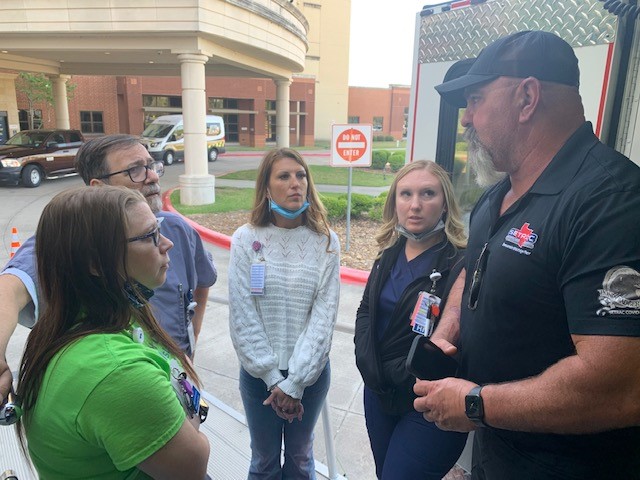
SETRAC team and EMT vehicles at a scholl in Uvalde, TX Since the school shooting in Uvalde, TX in May 2022, SETRAC has received multiple requests to conduct the mass casualty drill for hospitals, long-term care facilities, and other schools in the region. The training and its supplemental materials equip participants with the lifesaving practices and knowledge needed for a response during a mass casualty event. SETRAC's training efforts have also expanded from the regional level to provide training in nearby states. For example, the team instructed a session for the Health Center Association of Nebraska, expanding preparedness measures and establishing beneficial emergency response partnerships on an intrastate level.
 

Background

For the past few years, SETRAC has led mass casualty drills for hospitals, long-term care facilities, and schools across the Southeast region of Texas. SETRAC, a health care coalition (HCC) funded by ASPR's Hospital Preparedness Program, focuses on providing lifesaving education and information regarding mass trauma preparedness and response. In April 2022, SETRAC led a mass casualty response drill for students and teachers at Tekoa Academy. 
 

Preparedness Activities

SETRAC staff talks to students staff The mass casualty response drill simulated a drive-by shooting with six injured students. SETRAC's team led students and staff through the proper response processes and supplemented the exercise with a school-specific manual they had created for response during an active attack. Participants in the drill learned firsthand how to identify critical patients and administer emergency wound care and first aid. SETRAC involved several health care and emergency response partners such as local emergency medical services (EMS), police officers, fire chiefs, as well as nearby hospital officials, to provide participants with additional awareness to key response stakeholders and their roles in an active response.
 

Medical Response and Surge Exercise (MRSE) Bolsters Communication and Coordination in New Mexico During the Real-Life Response and Evacuation to the McBride Fire 

Medical Response and Surge Exercise (MRSE) Bolsters Communication and Coordination in New Mexico During the Real-Life Response and Evacuation to the McBride Fire 


New Mexico 

April 2022

Impact

The Medical Response and Surge Exercise (MRSE) was vital in the New Mexico Healthcare Coalition's successful patient transfer and overall emergency response to the McBride fire. The exercise, which was conducted one week prior to the wildfire, outlined the exact communication protocols, transportation resources, and geographic considerations that the response team used during the response. With the exercise steps fresh on their minds, the team knew exactly who to call, the protocols to follow, and where to go during the active response. In addition, the response brought together various health care and emergency response partners from across New Mexico and parts of Texas, utilizing the strong working relationships developed by both the exercise and the coalition itself.

Background 

On April 5, 2022, members of the New Mexico Healthcare Coalition conducted the MRSE at Gerald Champion Hospital in Alamogordo. The MRSE is designed to examine and evaluate the ability of health care coalitions and other stakeholders to support medical surge. As the New Mexico Healthcare Coalition conducted the exercise, its members identified gaps in communication, patient transport, and other key elements necessary in carrying out a successful medical surge response. They were also able to identify geographic barriers to patient transport and alternate hospitals for patient relocation.

Response Activities 

Exactly one week after conducting the MRSE, the McBride fire caused the once simulated surge scenario to become a real-life burn evacuation response. With the planning and response steps fresh on their minds from the MRSE, members of the New Mexico Healthcare Coalition and Hospital Preparedness Program (HPP) sprang into action. In just minutes, New Mexico's HPP coordinator had organized an emergency meeting with key response partners including the Emergency Medical Services (EMS) Division Bureau, Chief of Homeland Security, EMS, Regional Emergency Support Function (RESF) team, and the regional representative for the coalition. The response was almost immediate as response partners got to work transporting 11 patients from Lincoln County Medical Center to hospitals unaffected by the fire. The response coordinators used an online patient management system to identify hospitals with available beds and coordinated with EMS to transport patients to various hospitals using both ground and air transportation. In addition, nearby hospitals in Texas were on standby to respond with either ground transportation or by accepting patients.


Utah HCC’s Rockin’ Roundup Mass Casualty Exercise

Utah HCC’s Rockin’ Roundup Mass Casualty Exercise

The time allowed to prepare for an emergency or disaster— whether natural or manmade— is unpredictable, and in many cases, not enough. Even in the best of circumstances, it is difficult to feel prepared to address the uncertainty of an emergency. To proactively address a lack of preparedness, the CMS Emergency Preparedness Rule aimed to equip health care organizations with an awareness and understanding of disaster policies and procedures, as well as their role within the broader emergency response. The CMS Emergency Preparedness Rule provided an opportunity for health care coalitions (HCC) to engage with partners who were not previously involved in response efforts, including ambulatory surgical centers, hospice organizations, and rural health clinics.

To appeal to this wide variety of stakeholders, the Utah/Wasatch County HCC designed a creative, hands-on emergency preparedness training program. This full-scale, day-long mass casualty simulation referred to as "The Rockin' Roundup – Mass Casualty Exercise", involved more than 30 coalition facilities/members. These included representatives from hospitals, home health facilities, long term health, surgery centers, pediatric centers, development center, Intermediate Care Facility- Individuals with Intellectual Development (ICF-ID), and dialysis centers as well as groups that are not impacted by the CMS Emergency Preparedness Rule, such as the Medical Reserve Corps (MRC),

CMS Emergency Preparedness Rule

In 2017, the Centers for Medicare and Medicaid Services (CMS) issued a rule establishing national emergency preparedness requirements. Coalitions are required to offer HCC members TA or consultative services in meeting the CMS Emergency Preparedness Rule: Emergency Preparedness Requirements for Medicare and Medicaid Participating Providers and Suppliers.

search and rescue teams, and other community emergency response groups. Through this event, participants had the opportunity to not only witness the operations behind an emergency response but also identify areas for collaboration with other community partners. Given that many participants had not participated in an exercise like this before, coalition members began by providing information on the fundamentals of what an exercise involves, and then introduced participants to planning and after-action activities. Each participating facility was given guidance on establishing objectives that ensured their participation in the planning process and execution of the exercise.

The Rockin' Roundup was an overwhelming success in demonstrating to participants the function of an HCC and the value of building relationships with its members. It allowed partners to network and become familiar with one another, supporting future collaboration and a community-based approach toward emergency response. By becoming involved in the HCC (e.g., attending HCC meetings), coalition members built a sense of community and trust with one another, incentivizing them to take ownership over their role in emergency response.

The coalition had several takeaways from this exercise. First, the Utah/ Wasatch HCC learned that what seems second nature to one facility may be a foreign concept to another. The CMS guidelines have helped bridge this gap and allow all coalition facilities to be on the same page. To help facilities comply with new CMS Emergency Preparedness Rule requirements, the Rockin' Roundup provided coalition and their members with firsthand experience on execution of an exercise. For those members that had been doing training and exercise for years, it provided them an opportunity to refine their procedure and became mentors to those who were new to the training and to the exercise. From this exercise, the participants were able to learn the planning process for an exercise, so that they could hold one on their own with their individual facilities on a smaller scale.

Next, the coalition learned that they could work together to share resources across facilities to fill gaps during an emergency. For example, representatives from long-term health care facilities were able to meet other representatives from other long-term health care facilities, which facilitated enhanced collaboration within their organization. The coalition was surprised to learn of the number of home health clinical staff in the community and of the variety of resources that can be tapped into during a mass casualty situation.

Another valuable lesson learned was that a call center almost always needs more people than you think. The number of calls, emails, and texts that came in from the exercise left the call center understaffed in a matter of minutes. They quickly learned that they needed additional assistance to better support the coalition with its communication efforts.

The Roundup was also a valuable learning experience for coalition leadership and members. The coalition learned the importance of pacing out the exercise, given participants' varied levels of experience in emergency preparedness and response and understanding that not all partners can be involved in each training activity. In addition, while this one-day event was a success, it also reinforced the need for sustained engagement among coalition members throughout the year.

Rockin' Roundup Participant Feedback

"I am able to see what other health care organizations may need, [such as] home health, and be a resource to them in the event of a large-scale disaster" – HCC member

"The CMS Emergency Preparedness Rule has created the opportunity to see organizations at the emergency preparedness and planning table that have not been there before. We have seen an increase in participation and awareness to those in the health care field" – HCC member

Finally, on a broader scale, coalition members saw firsthand how the CMS Emergency Preparedness Rule can be practically applied toward benefiting their region's emergency preparedness. As a result of hard work and creativity, the Utah/Wasatch County HCC was able to leverage the CMS requirement into a beneficial exercise that both increased health care preparedness and strengthened coalition unity.

There is a saying that goes: "You don't want to be exchanging business cards at a disaster." Exercises like the Rockin' Roundup strengthened the partnership between the coalition and the community and increased their preparedness for a real event. This exercise taught the community and its health care facilities about the role of a health care coalition during an emergency and how they will work together to respond.

Arizona Coalition for Healthcare Emergency Response Develops a Multipurpose Emergency Response Application, Revolutionizing Access to Response Tools and Communication   

Arizona Coalition for Healthcare Emergency Response Develops a Multipurpose Emergency Response Application, Revolutionizing Access to Response Tools and Communication   

Arizona
Spring 2022
 

Impact

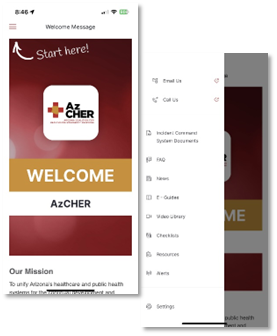
The Arizona Coalition for Healthcare Emergency Response (AzCHER) used Hospital Preparedness Program (HPP) cooperative agreement funding to develop a multipurpose emergency response app that functions as an emergency response notification system. The AzCHER mobile app houses virtual training manuals, resource guides, incident command forms, and federal emergency response resources.

As an emergency response notification system, the app significantly bolsters communication and situational awareness for the over 900 users working in hospitals, long-term care facilities, and emergency medical services across Arizona, many of whom are members of Arizona's health care coalitions (HCCs).

The first of its kind, AzCHER's app centralizes many emergency response resources such as Hospital Evacuation Decision, Incident Command System and Mass Casualty Guides, psychological first aid trainings, and more. This makes the app a convenient resource for response teams to reference and use at any time or place on their phone or tablet, which is crucial to a rapid response.

HCCs in Connecticut, Colorado, Hawaii, and Vermont are working with AzCHER to develop similar apps, which will enable other HCCs to equip their communities with new technology and resources to save lives during an incident or disaster. 
 

Background;

Prior to the development of the app, AzCHER purchased and distributed training and educational materials, such as psychological first aid books, for their coalition members across the state using funding from HPP. With these books and other training resource guides in high demand, AzCHER began exploring options to increase accessibility and overall information sharing with their members and partners. Ultimately, AzCHER decided to use HPP cooperative agreement funding to develop and launch an app that served as a multiservice emergency response resource, housing everything from virtual copies of training manuals to links to ASPR resources, while simultaneously serving as an emergency response notification system. 

Response: 

Screenshot of the AzCHER Application

The AzCHER mobile app enables responders, including HCCs, emergency medical services, hospitals, and long-term care facilities to collaborate during both day-to-day operations, as well as during emergencies or disasters. Users can easily download digital materials including incident command system forms or digital training guides, making key response resources more convenient and accessible. In addition to housing multiple resources, the app can send out a mass notification, in the event of an emergency, by using geographic information system mapping. This feature allows AzCHER to increase its emergency communication and coordination when planning for and responding to a disaster. As of April 2023, the AzCHER app had more than 900 subscribers among HCC members such as hospitals, long-term care facilities, and emergency responders.

When Arizona hosted the 2023 Super Bowl, AzCHER worked with the National Football League's Super Bowl planning team and a nearby Level I trauma center to conduct an emergency communications exercise using the app's built-in emergency notification feature. The exercise simulated an emergency response to a mass casualty incident. During the exercise, the app notified the emergency management team and the hospital emergency response team in the area of the trauma center. This successful exercise emphasized the value of the app and its ability to provide near instant communications during an emergency. 


Rhode Island Health Care Coalition Supports Nursing Home Fire Response

Rhode Island Health Care Coalition Supports Nursing Home Fire Response


Coventry, Rhode Island 

February 2022

Impact

During the response to a nursing home fire, the Rhode Island Department of Health's (RIDOH's) Center for Emergency Preparedness and Response (CEPR) and the Healthcare Coalition of Rhode Island (HCRI), a health care coalition (HCC) established through ASPR's Hospital Preparedness Program (HPP) acted fast to safely relocate patients. By working with partners and using tools made available with Hospital Preparedness Program funding, CEPR and HRCI were able to transport patients to nearby hospitals, relocate those displaced by water and fire damage, and track patients effectively – all within hours.

CEPR and HCRI's immediate response helped quickly treat, triage, and relocate all nursing home residents affected by the fire. HPP funding equipped HCRI with the key tools and resources that led to the successful response, including tools that helped with patient tracking, emergency alerts, and a mutual aid agreement. In addition, both the lessons learned, and the partnerships established through HCRI's routine emergency response exercises enabled response partners to transport 26 residents to the hospital for smoke inhalation treatment and relocate an additional 50 residents whose homes had been destroyed by the fire.

Prior to the nursing home fire in Coventry, the HCRI had conducted routine emergency response trainings and exercises with regional health care and emergency response partners, such as CEPR. These exercises encouraged collaboration beyond the health care community and identified promising practices that led to the success of the response at the nursing home in Coventry. 
 

Background

On the night of February 2, 2022, a fire broke out at the Respiratory and Rehabilitation Center of Rhode Island, a nursing home in Coventry, Rhode Island. The fire started in a resident's room, causing the sprinkler system to activate, affecting the rooms of over 50 residents, and necessitating a prompt emergency response. CEPR and HCRI sprang into action to coordinate an immediate emergency response. 


Response 

CEPR and HCRI worked with emergency response teams to support partial evacuation of the facility. The response team coordinated with nursing home administration, the on-site Emergency Medical Services (EMS) Transport Officer, the Coventry Emergency Management Director, and hospitals across Rhode Island to effectively transport nursing home staff and residents to nearby hospitals for treatment for smoke inhalation.

During the response, CEPR and HCRI used several tools that were purchased using HPP funding. The first tool, the Hospital Capacity System, provided audible status update alerts for every emergency department in the state, urging them to submit current data on the various types of emergency department bed availability. Another helpful tool was the Patient Tracking System, which allowed the response team to see where each staff member or resident had been transported by EMS. The final resource that aided the response was the Long-Term Care Mutual Aid Plan, which CEPR and HCRI used to alert all nursing homes to the emergency and assess their bed and transportation resource availability. These tools as well as the response plan are grounded in lessons learned from previous emergency responses, such as the response to the 2003 Station Nightclub fire in West Warwick, Rhode Island. By coordinating with emergency response partners and incorporating lessons learned into the response, the team was able to transport affected patients to nearby hospitals and relocate those displaced by water and fire damage, within hours. 
 

Subscribe to