National Special Pathogen System

National Special Pathogen System

Alternative Text for Time-Based Media

The following is a text alternative description for ASPR's National Special Pathogen System (NSPS) video.

[The video begins with music playing in the background while the ASPR logo and tagline, "Saving Lives. Protecting Americans", are displayed.]

Unknown Female Narrator: How do hospitals, health systems, and healthcare providers know how to respond during infectious disease outbreaks like COVID-19 or Ebola? In 2020 after the U.S. declared COVID-19 a public health emergency, ASPR established the National Special Pathogen System or NSPS to support infectious disease readiness through education, regional coordination, and surge activity funding. NSPS is a nationwide, system-based network that consists of four (4) components: the National Emerging Special Pathogens Training and Education Center or NETEC, 10 regional Ebola and other special pathogen treatment centers, 53 hospital associations, and 62 Hospital Preparedness Program recipients. NSPS has supported our frontline healthcare workers throughout the COVID-19 pandemic and will continue to shape our response for future special pathogens.

[The narration ends and video concludes with the ASPR logo and tagline, "Saving Lives. Protecting Americans." along with the disclaimer, "Produced at U.S. taxpayer expense".]

2025 MRC V.I.S.I.O.N. Recognition

2025 MRC V.I.S.I.O.N. Recognition


The Medical Reserve Corps V.I.S.I.O.N. (Valuing Individuals Serving with Integrity, Outreach, and Nobility) Recognitions showcase individuals and units who exemplify the values and spirit of the MRC. They celebrate the exceptional contributions of MRC volunteers whose integrity, service, and commitment to their communities truly stand out. The work of these volunteers strengthens public health and disaster response across the country. Below you'll find descriptions of this year's recognitions.

  • The Community Preparedness and Resilience Category
    Winner

    Southeast Nebraska

    Honorable Mentions

    Maricopa County Department of Public Health

    Pierce County

  • The Community Response Category
    Winner

    Southwest Virginia

    Honorable Mentions

    Maricopa County Department of Public Health

    Northeast Region MRC - Disaster Mental Health Strike Team

  • The Innovator Category
    Winner

    Northeast Region MRC - Carter County DART Strike Team

    Honorable Mentions

    Ventura County

    Public Health Reserve Corps

  • The Outstanding MRC Preparedness and Resilience Volunteer Category
    Winner

    John Jennings, Oklahoma County

    Honorable Mentions

    Barbara Nyenhuis, Lowcountry

    Dr. Samuel Tate, Peninsula

  • The Outstanding MRC Responder Category
    Winner

    Elizabeth Hughes, Peninsula

    Honorable Mentions

    Patricia Thumann, Georgia East Metro

    Shelby Blevins, Northeast Region

  • The Mentor Category
    Winner

    Suz Roam, Southwest Utah

    Honorable Mentions

    Amy Dalness, New Mexico Statewide

    Noelle Broadnax, University of Georgia

  • The Outstanding MRC Housing/ Sponsoring Organization Category
    Winner

    Fairfax County Health Department

    Honorable Mentions

    Ventura County Health Care Agency, Ventura County

    Atlantic County Health Department, Atlantic County

  • The Outstanding MRC Partner Organization (or Partnership) Category
    Winner

    Rutland City Outreach Care Team

    Honorable Mentions

    Salvation Army Emergency Disaster Services of Denton County

    Recovery Café, Public Health Reserve Corps-Seattle & King

  • The MRC Picture of the Year Category
    Winner

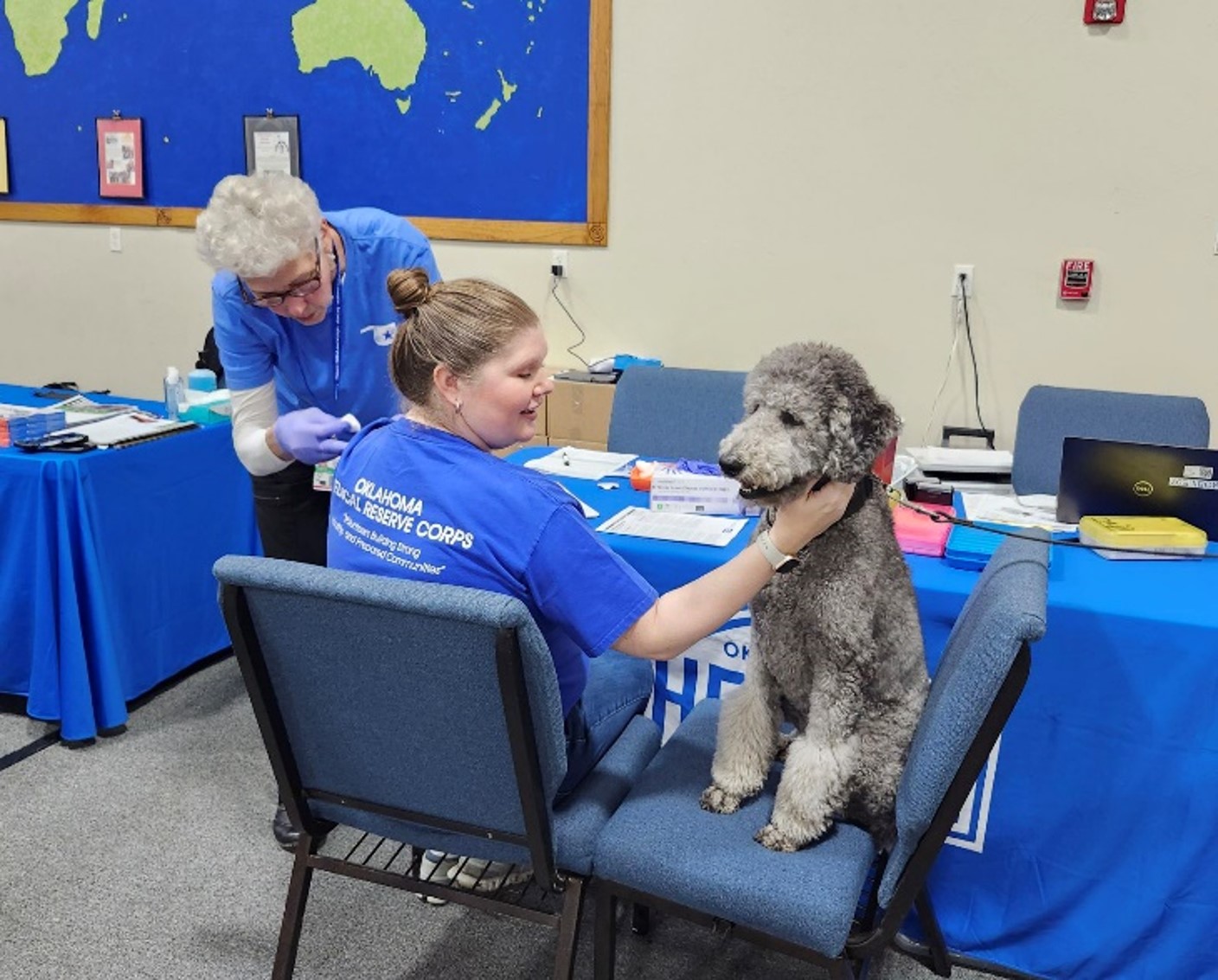
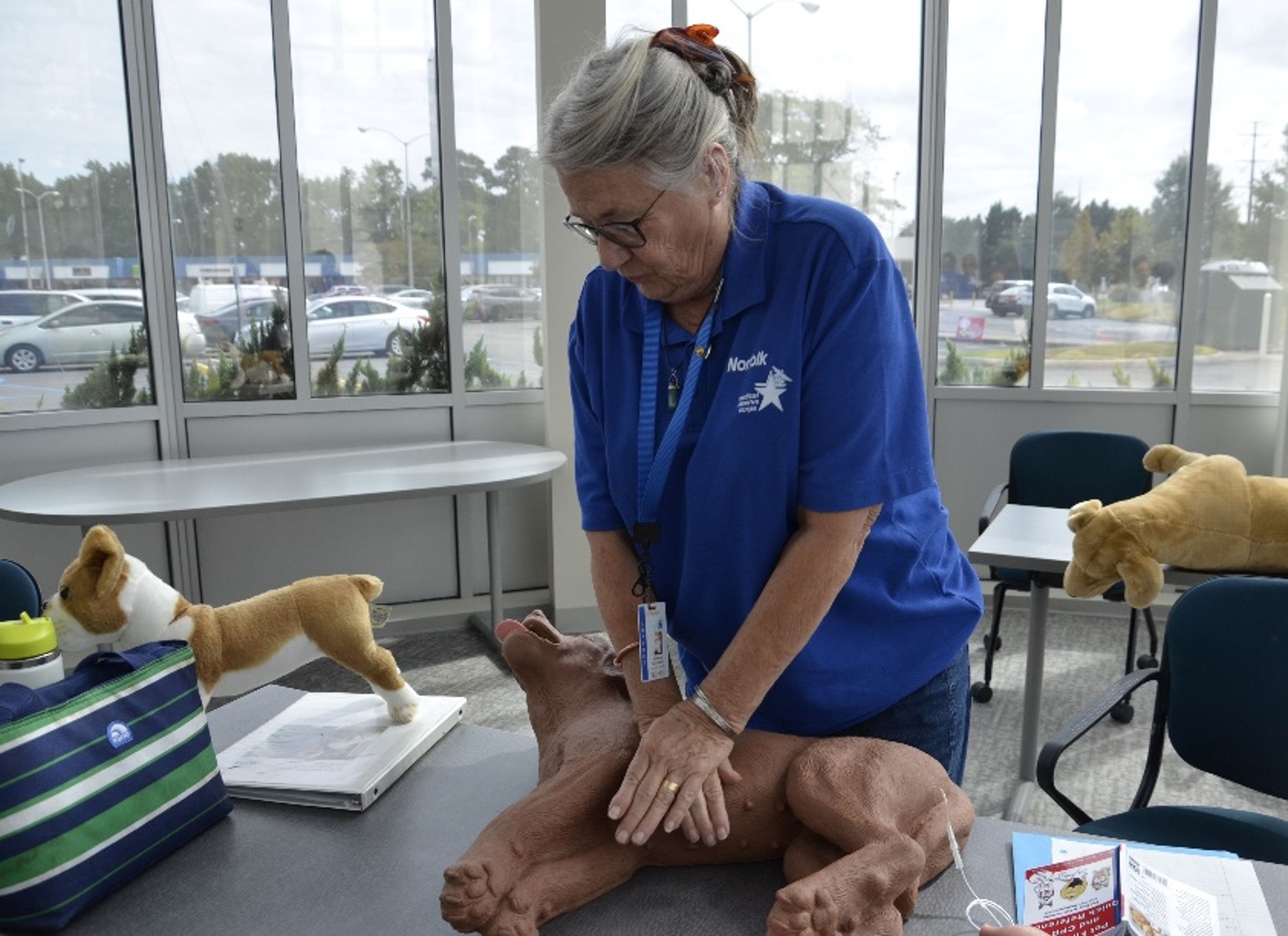
    Norfolk, VA

    Honorable Mentions

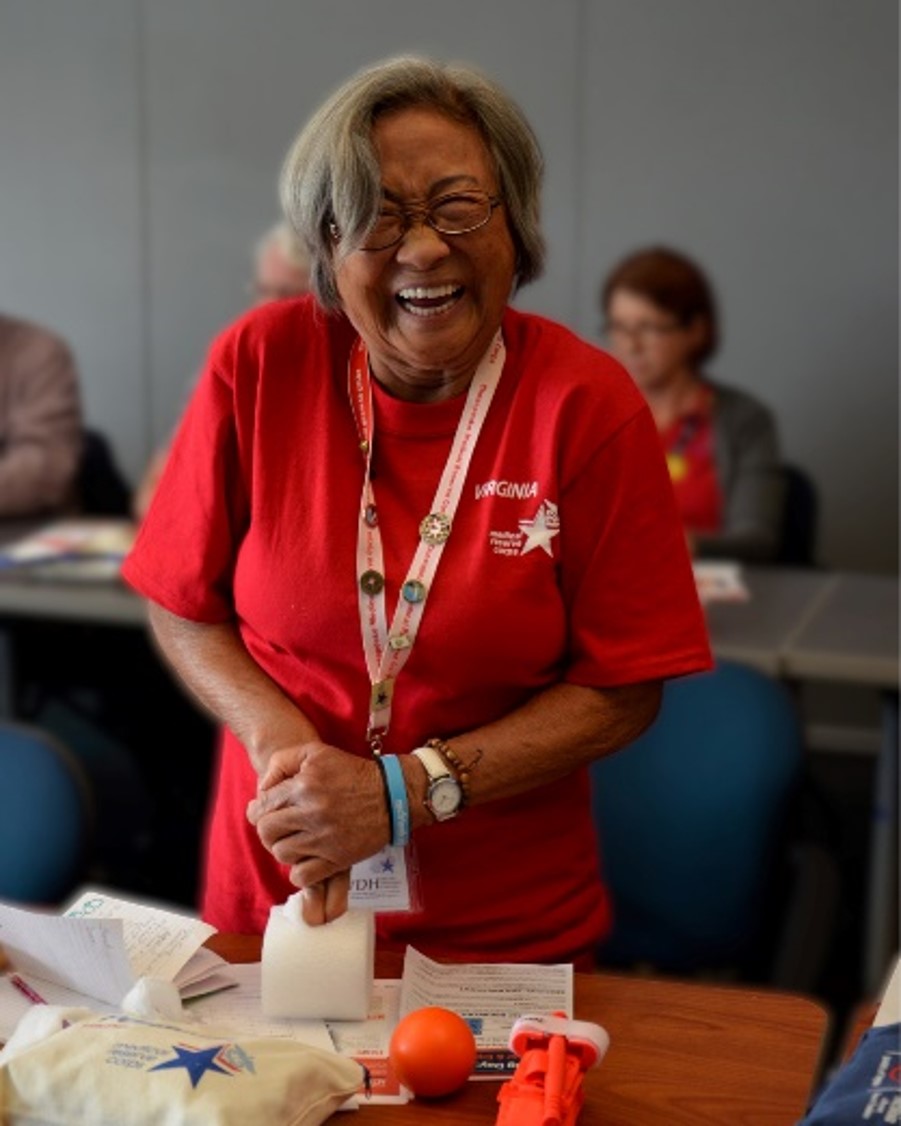
    Chesapeake, VA

    Oklahoma County, OK

  • The New Leader Category
    Winner

    Latina Randall, Fulton County

    Honorable Mentions

    Jackson Lieb, Norfolk County

    Catie Larsen, Loup Basin

  • The State Coordinator Category
    Winner

    Bobbie MacKenzie, New Mexico

    Honorable Mentions

    Jack Porter, New York

    Michael Magner, Virginia

  • The Elizabeth Fitch Category
    Winner

    Diana Myrvang, MRC of Southwest Vermont

    Honorable Mentions

    Lara Cash, Virginia

    Warren Villagomez, CNMI

ASPR Blog Building a Resilient Nation Together: Reflecting on National Preparedness Month

ASPR Blog Building a Resilient Nation Together: Reflecting on National Preparedness Month

As National Preparedness Month comes to a close, I find myself reflecting not only on the progress we've made as a nation, but also on the moments that remind us why preparedness matters. Preparedness is not abstract. It's personal.

Preparedness is the difference between chaos and calm, between vulnerability and resilience. And it's built, piece by piece, by the dedication of communities, public servants, and citizens who refuse to be caught unready. Hospitals need to be prepared and remain open and meet the needs of their communities during disasters when access to health care is critical. Families need personal preparedness plans to ensure they can connect during and after disasters. Preparedness is not just about federal investments but should be a priority for everyone. No matter the emergency, we're united in our purpose: save lives, safeguard health, and recover with strength.

At ASPR, our mission is to strengthen that readiness and make it an everyday focus. Our work may begin in policy or planning, but its true measure is in lives saved and communities protected.

Strengthening America's Medical Supply Chains

We've all seen how fragile supply lines can put lives at risk, whether it was shortages of IV fluids after hurricanes or critical medications during disease outbreaks. That's why one of our most important commitments is to rebuild America's ability to produce life-saving medicines here at home.

Our mandate from President Trump is clear: ensure medicines and supplies that the American people need are produced here in the U.S. Through ASPR's Center for Industrial Base Manufacturing and Supply Chain (IBMSC), we're taking decisive action to onshore production of critical pharmaceuticals, safeguarding against the vulnerabilities we have endured in the past. From advancing automated sterile manufacturing systems to expanding facilities that produce essential medications, we're ensuring that when the next emergency strikes, our healthcare system and workers have the tools they need to stay safe and save lives.

This is about more than supply chains. It's about restoring trust, investing in domestic capacity, bringing jobs home to the US, and ensuring that, no matter what comes, America will stand ready.

Developing Cutting Edge Medical Countermeasures

Medical countermeasures don't appear overnight. They take vision, innovation, and partnership. For decades, BARDA has partnered with industry, building the tools clinicians need to save lives during disasters and emergencies. Through bold initiatives like DRIVe Ventures and the BARDA Accelerator Network, they've redefined what public-private partnership means.

The result? Over 100 medical products cleared, licensed, or approved to fight chemical, biological, radiological, or nuclear threats; emerging diseases; or drug-resistant infections. BARDA transforms science into readiness and resilience.

Strategic National Stockpile

In a crisis, seconds matter. The Strategic National Stockpile stands ready to deliver lifesaving countermeasures when states, tribal nations, territories and the largest metropolitan areas need them most. But no stockpile, no matter how well built, can succeed alone. It takes coordination. It takes training. And it takes readiness at every level.

That's why I'm calling on our state, local, tribal, and territorial partners: don't wait for the disaster to strike. Get trained. Get ready. The SNS offers free, online courses that can help you act fast when lives are on the line.

Take the time now. You'll want to be ready when disaster strikes.

Supporting Communities Through Regional Operations

Preparedness is forged in relationships long before disaster strikes. Our Regional Administrators and Emergency Coordinators live and work alongside the communities they serve. They are the ones who know the local emergency manager by name, who sit at the table during planning exercises, and who show up when the waters rise, the winds roar, or the earth shakes.

Because of them, coordination is not an afterthought; it's a lifeline. Their work ensures that when the call comes, the response is seamless, and help reaches those in need without delay.

Celebrating ASPR TRACIE's Decade of Service

This September also marked 10 years of ASPR's Technical Resources Assistance Center and Information Exchange (ASPR TRACIE), a milestone that speaks to the power of knowledge shared both before disaster strikes and in moments of urgency. When hospitals face patient surge, when emergency managers confront the unexpected, TRACIE has been there with evidence-based guidance, lessons learned, and practical tools to turn confusion into clarity.

For a decade, TRACIE has been more than a resource: it's been a partner in resilience, empowering communities across the country to prepare, respond, and recover.

Empowering Communities Through the Medical Reserve Corps

If preparedness has a heartbeat, it can be found in the volunteers of the Medical Reserve Corps (MRC). Ordinary citizens, doctors, nurses, teachers, neighbors, stepping forward to protect their communities in extraordinary ways.

From supporting shelters during hurricanes to lending comfort and care during wildfires, MRC volunteers embody the spirit of service. They remind us that preparedness is not only a government responsibility; it's a shared act of humanity.

Always Scanning the Horizon

Situational awareness is the foundation of readiness. It is the first step in any successful operation, and it is non-negotiable.

At the HHS Secretary's Operations Center, under the leadership of ASPR, we stand the watch. Twenty-four hours a day. Seven days a week. We scan the horizon for the next threat — before it strikes. We don't wait for the call.

When disaster looms or crisis strikes, we move fast. We deliver critical intelligence to decision-makers. We marshal resources. We prioritize the mission. And we execute with precision and purpose.

A Shared Commitment

National Preparedness Month has reminded us again that resilience is not built in a moment. Resilience is built over time, through commitment, education, sacrifice, service, and partnership.

When supply chains are secured, when communities are connected, when knowledge is shared, and when volunteers step forward, we're not just responding to disasters, we're shaping a stronger, safer nation.

Preparedness transforms fear into action, and uncertainty into resolve. And when we embrace it together, we ensure that no matter what lies ahead, America will stand ready.

Thank you for your commitment, your resilience, and your service to one another. Together, we will continue to protect lives, strengthen communities, and build the resilient nation our future demands.

Answering the Call: How MRC Volunteers Embody the Meaning of the 9/11 National Day of Service

Answering the Call: How MRC Volunteers Embody the Meaning of the 9/11 National Day of Service

Each year on September 11, the National Day of Service and Remembrance honors lives lost while reminding us of the power of service to heal, unite, and strengthen our communities. The spirit of this day is embodied by the Medical Reserve Corps (MRC), a nationwide network of almost 300,000 volunteers who step up every day to protect public health, respond to emergencies, and build community resilience.

A National Network of Dedicated Volunteers

The MRC is composed of over 700 community-based units across the U.S. and its territories. Volunteers range from licensed medical and public health professionals to community members without medical training who want to help. Together, they prepare for and respond to emergencies while supporting routine public health needs. From staffing blood drives to providing shelter support, these volunteers are vital for local resilience.

Core Capabilities

Each MRC unit develops foundational skills like CPR, Psychological First Aid, Stop the Bleed, and Incident Command training. Many units excel at sheltering, running points of distribution, and providing public health education. Beyond core capabilities, many units have specialized skill sets such as behavioral health support, radiological response, and veterinary support.

Partnerships that Strengthen Response

Collaboration is at the heart of the MRC's success. One of its most enduring partnerships is with the American Red Cross. For over 15 years, the two organizations have worked together, and a renewed national agreement further strengthens this bond. This partnership promotes integrated responses, joint training, and improved coordination during emergencies.

Recent examples showcase the impact:

  • Texas Flood Response (2025): MRC volunteers partnered with Red Cross, the Jonah Community Center, Austin Disaster Relief Network, World Central Kitchen, Humanitarian Emergency Response Organization, Hope Animal-Assistance Crisis Response, and others to response and recovery efforts by administering first aid, supporting mental health initiatives, providing veterinary support, and more.

  • St. Louis Tornado Response (2025): MRC volunteers provided first aid and other health services at two Red Cross shelters.

  • Oklahoma Tornado Response (2024): MRC volunteers provided mental health support and tetanus vaccinations at Red Cross-led Multi-Agency Resource Centers, assisting more than 600 households in just two days.

  • New Mexico Wildfire Response (2024): MRC members staffed Red Cross shelters during the South Fork wildfires, offering both medical and behavioral health support.

  • Illinois Tornado Response (2024): The Lake County MRC Trauma Response Team provided bilingual crisis counseling to displaced residents sheltered by the Red Cross.

Beyond disaster response, local MRCs and Red Cross chapters routinely collaborate on blood drives, CPR training, and home fire prevention programs, extending their reach in everyday preparedness.

Integration into Local Response Systems

The MRC's strength lies in its seamless integration with public health, emergency management, and healthcare systems. Volunteers act as trusted extensions of these systems, serving as force multipliers when demand exceeds capacity. They support:

  • Alternative Care Sites during medical surges

  • Sheltering Operations, both medical and non-medical

  • Distribution of Needed Goods such as protective equipment, water, and meals

  • Recovery Efforts, from health education to long-term community support

  • Emergency Communications and information distribution

  • Animal First Aid for pets affected by disasters

Many units even provide statewide or interstate support through the Emergency Management Assistance Compact (EMAC), demonstrating the network's reach and flexibility.

National Support for Local Impact

Behind every local unit is the Office of the Medical Reserve Corps (OMRC), which provides coordination, training, and resources. For example, every year, the OMRC has every MRC unit complete a Technical Assistance Assessment to evaluate their capabilities and identify areas for growth. The OMRC uses these assessments to provide targeted training, volunteer management support, and deployment readiness planning. This process ensures units are better prepared to address local and regional needs, whether responding to disasters or supporting ongoing community health.

Key areas of OMRC support include:

  • Capability Assessment: Helping units identify strengths and areas for improvement.

  • Training and Education: Access to national training platforms, leadership development, and credentialing.

  • Resource Development: Templates, toolkits, and risk analysis tools that make local operations more effective.

  • Partnership Integration: Connecting units to federal and local partners for stronger collaboration.

  • Storytelling and Data: Capturing and sharing impact stories to highlight MRC contributions.

This national infrastructure ensures that volunteers are not only ready but empowered to make a difference, ensuring state, local, tribal, and territorial partners have the support they need to build capacity, strengthen readiness, and face future challenges with confidence. Through targeted technical assistance, training, and the fostering of strong collaborations, the OMRC is ensures MRC units nationwide are positioned to serve as force multipliers in both preparedness and response.

Service as a Path to Preparedness and Healing

The MRC embodies the mission of the National Day of Service and Remembrance. By bringing together neighbors with diverse skills and a shared purpose, the MRC shows how service strengthens both individuals and communities. Their work directly aligns with national preparedness priorities, ensuring that local communities have the tools and people they need to face emergencies with confidence.

Whether staffing cooling centers during heatwaves, operating shelters in storms, or assisting at local health fairs, MRC volunteers demonstrate that service is not just a one-day act but a daily commitment to community resilience.

Honoring the Spirit of 9/11

On this National Day of Service, we honor the lives lost on September 11 by recognizing the everyday heroes who step forward in their communities. MRC volunteers epitomize the spirit of service, proving time and again that the strength of our nation lies in the dedication of its people.

The MRC is more than an emergency response system, it is a bridge between federal priorities and local action, between neighbors in need and neighbors who serve. On this day of remembrance, we thank the thousands of MRC volunteers who ensure our communities are safer, healthier, and stronger.


If you are inspired to serve, consider joining your local MRC unit. Together, we can honor the legacy of 9/11 by building resilience, one act of service at a time.

Always Ready: How the MRC Strengthens Communities Year-Round through Technical Assistance Assessments

Always Ready: How the MRC Strengthens Communities Year-Round through Technical Assistance Assessments

Every September, during National Preparedness Month, communities across the country are reminded to take steps to protect their families, friends, and neighbors in times of crisis. One group that prepares all year long is the Medical Reserve Corps (MRC). With nearly 800 local units and close to 300,000 volunteers nationwide, the MRC recruits, trains, and activates medical and non-medical volunteers to respond when emergencies strike. But how do we make sure that this vast network of volunteers is always ready?

One critical way is through the administration of a Technical Assistance Assessment (TAA), which is conducted by a Regional Liaison in the Office of Medical Reserve Corps.

What is the Technical Assistance Assessment?

The Technical Assistance Assessment (TAA) is an annual, structured process during which each MRC unit works closely with its designated Office of the Medical Reserve Corps (OMRC) Regional Liaison to review the unit's operations, strengths, and needs. Think of it as a comprehensive "checkup" for the unit. Just as a doctor's visit helps you stay healthy, the TAA and discussion with the Regional Liaison help MRC units stay prepared, organized, and capable of serving their communities.

The assessment looks at everything from how well units recruit and train volunteers, to how they partner with local organizations, to how quickly they can mobilize during an emergency. It's a chance to affirm what's working and identify where extra support or resources are needed. And the TAA does not stop there—Regional Liaisons within the Office of Medical Reserve Corps equip MRC units with strategic guidance, risk-informed planning support, and access to cross-sector partnerships, all of which enable a wider range of community-based response and recovery activities.

Why It Matters

Preparedness is at the heart of the MRC mission. Emergencies like natural disasters, disease outbreaks, or public health crises don't wait for us to get ready. MRC units ensure they are ready to respond by working with OMRC on these assessments.

Just a few of the areas the TAA explores:

  • Volunteer readiness: Are volunteers recruited, screened, trained, and recognized for their contributions?
  • Community partnerships: Does the unit have strong relationships with local health departments, local emergency management agencies, hospitals, schools, and nonprofits?
  • Emergency response capability: How quickly can the unit mobilize? What specialized skills or teams do they have (like behavioral health, veterinary care, or epidemiology)?
  • Sustainability: Does the unit have clear goals, solid leadership, and the resources to continue supporting the community in the long term?

By focusing on these areas, MRC units build resilience, with the support and technical assistance offered to them through the OMRC. They make sure that when the unexpected happens, there are trusted, trained neighbors ready to step up. And when a response is needed, the OMRC provides operational coordination before, during, and after public health emergencies, ensuring efforts are integrated across the Department of Health and Human Services, federal interagency partners, and SLTT stakeholders to ensure unity of effort.

Preparedness in Action

The TAA isn't just about paperwork. It opens the door to real improvements. For example, a unit might discover that it needs more training in medical countermeasure dispensing or that it could better engage volunteers through social media. With that knowledge, the OMRC Regional Liaison provides or can help connect the unit with the necessary resources, such as training opportunities, new partners, or best practices from other MRC units across the country.

This process also creates accountability. Units regularly update their update their unit's profile to include the number of volunteers, report participation in community events, and share successes with the larger MRC network. That means every unit, no matter how big or small, contributes to a stronger national system of preparedness.

The TAA also helps identify and organize MRC unit capabilities to inform key local community stakeholder groups/partners (e.g., local public health departments and emergency management agencies, hospitals, and other local health agencies).

What this means to you

The Technical Assistance Assessment may happen behind the scenes, but its impact is visible in every MRC response. Whether supporting distribution campaigns, assisting with shelter support after a storm, helping with grief counseling, or providing education at a community health fair, MRC volunteers are ready because their units have been trained, tested, and strengthened through this process.

So, as you and your family take time this National Preparedness Month to review your own plans, know that thousands of MRC units and volunteers are doing the same, making sure they're ready to keep communities safe, healthy, and resilient when it matters most.

HHS Takes Action to Make the U.S. the Most Competitive Nation in the World for Pharmaceutical Manufacturing 

FOR IMMEDIATE RELEASE
Contact ASPR Press Office

ASPRMedia@hhs.gov
aspr.hhs.gov/newsroom
X: @ASPRgov

HHS Takes Action to Make the U.S. the Most Competitive Nation in the World for Pharmaceutical Manufacturing 

Investments in Pharmacy on Demand Technology Boosts U.S.-based Pharmaceutical Supply Chain, Speeds Response to Drug Shortages and Public Health Emergencies

Senior leaders from the U.S. Department of Health and Human Services' (HHS) Administration for Strategic Preparedness and Response (ASPR) today visited On Demand Pharmaceuticals' (ODP) new Centralized Production and Repackaging (CPR) manufacturing facility in Rockville, MD, and virtually toured ODP's Pharmacy on Demand (PoD) modular manufacturing unit. ODP's CPR plant produces active pharmaceutical ingredients (APIs) for medicines of critical importance to the U.S. health system. The PoD is a modular manufacturing platform (that can be as small as the size of a tractor trailer) that leverages the latest AI and machine learning techniques and can be quickly customized to produce any finished dosage form (FDF) whenever and wherever needed. The PoD is currently deployed to Northern Mississippi Medical Center to produce medicines that are in shortage in real-time.

Under the U.S. Department of Defense (DoD) and ASPR-funded effort, ODP is building out its domestic capability to manufacture APIs and FDFs using a game-changing, manufacturing technology platform that will enable the production and distribution of critical medicines at the point of care, such as a hospital or clinic that is facing drug shortages, or after a disaster or public health emergency. ODP's distributed manufacturing network – from chemical synthesis to drug formulation to finished product – will save time, money, and overcome many supply chain challenges in the United States.

"This collaboration not only underscores the strategic importance of bolstering domestic production of finished drugs but also sets the stage for transforming how medicines are made and delivered in this great country of ours," said ASPR Principal Deputy Assistant Secretary John Knox. "Having the added flexibility and capability to deploy a network of modular, medicine production facilities to produce drugs wherever needed is key to mitigating drug shortages and supporting disaster operations, especially when responding to unexpected disease outbreak or to hurricanes, wildfires, or other natural disasters that often disrupt regular distribution channels or cause sudden shutdowns to pharmaceutical manufacturing plants"

Today's visit is part of the ongoing collaboration between HHS-ASPR, DoD, and ODP that began in September 2020, as part of the first Trump Administration's efforts to reshore America's pharmaceutical supply chain and reduce dependency on foreign countries. This effort also aligns with the current Trump Administration's executive order Regulatory Relief to Promote Domestic Production of Critical Medicines.

Funding to support ODP's Pharmacy on Demand – which is just one part of more than $1 billion HHS has invested in domestic manufacturing of APIs and FDPs – will help patients get more reliable access to the quality medications they need. The investments also fulfill a promise President Trump made to the American people: to build advanced manufacturing technologies that address shortages of medicines, speed time to market, and "make the United States the most competitive nation in the world for the manufacture of safe and effective pharmaceutical products."

From Crisis to Care: Inside ASPR’s Behavioral Health Response in New Mexico

From Crisis to Care: Inside ASPR’s Behavioral Health Response in New Mexico

On July 8, 2025, flash floods overwhelmed The Village of Ruidoso, New Mexico, a scenic mountain town still scarred by both flooding and wildfires that tore through the region just a year earlier. As slow-moving storms dumped heavy rains on already fragile terrain, floodwaters surged through neighborhoods, trapping families in homes, cars, and trees. At least three people, including two children, lost their lives. Over 200 homes were damaged, and critical infrastructure — water systems, roadways, and communication lines — collapsed.

But amid the destruction, a coordinated and specialized response operation took shape.

The ASPR Center for Response Disaster Behavioral Health Program, with clinical support from the U.S. Public Health Service Commissioned Corps (PHS), mobilized quickly, bringing with it a trauma-informed, community-centered approach to disaster response. The mission: to support the emotional and psychological well-being of survivors, frontline responders, and displaced families, an often overlooked but essential component of emergency response.

A Town Hit Hard

The Village of Ruidoso's vulnerability wasn't just physical, it was systemic. Many residents, especially in low-income neighborhoods, didn't have flood insurance. Their homes, already damaged by the 2024 wildfires and flooding, stood no chance against the torrent of water and debris. The floods displaced entire families and left the community grappling with food and housing insecurity and job loss.

The emotional toll was immense. Children were out of school and isolated. First responders, many of whom had served during last year's wildfires and flooding, were stretched thin and emotionally taxed. Survivors in shelters were processing fresh trauma layered on top of previous disasters.

ASPR's Behavioral Health Response

In the face of compounding crises, the ASPR behavioral health team activated five distinct lines of effort, making rapid, high-impact interventions:

  1. Disaster Recovery Center (DRC) Support: Staff were embedded at the DRC, offering direct assistance, emotional support, and mental health resources to those seeking aid.
  2. Youth-Focused Programming: Recognizing the need for structure and emotional care for displaced children, ASPR launched activities for kids ages 6 to 16 at the DRC, creating a safe space for play, learning, and healing.
  3. Responder Mental Health: The team provided Force Health Protection to first responders and emergency personnel, helping them manage stress, grief, and burnout in real-time.
  4. Hotel Outreach: With 183 survivors housed in non-congregate shelters, ASPR responders conducted outreach to provide psychosocial support and check on emerging needs.
  5. Community Scans: ASPR teams conducted 20 neighborhood-level outreach efforts to identify individuals needing urgent referrals, distribute resources, and offer direct support.

In just five working days, the team had 139 documented behavioral health encounters, distributed over 140 resources (such as pamphlets of available resources and psychoeducation products in both English and Spanish), and sent 15 referrals to the state for additional mental health services. And to date:

  • 34 community scans have been conducted to identify urgent needs
  • Over 264 mental health resources have been distributed
  • 158 direct encounters with survivors and responders have occurred
  • 111 force health protection encounters with first responders, community members serving affected populations, and PHS officers have been completed
  • 109 direct children encounters with affected children and youth have happened through the youth-based activity hub launched for children ages 6–16.

Mental Health Is Emergency Health

The response in The Village of Ruidoso highlights a a key fact of disaster recovery: mental health support is not a secondary concern, it's a lifeline. Especially in small communities facing back-to-back disasters, behavioral health responders help stabilize not just individuals, but entire systems. Children who can play, caregivers who can breathe, and responders who feel supported are all signs of recovery taking root.

Looking Ahead

As The Village of Ruidoso continues to clean up and rebuild, the work of the ASPR Center for Response Disaster Behavioral Health Program stands as a model for integrated, compassionate crisis response. By prioritizing mental health alongside physical recovery, they've shown that healing begins not only with infrastructure, but with care, connection, and community.

Addressing the Gaps in Child-Focused Disaster Preparedness and Response

Addressing the Gaps in Child-Focused Disaster Preparedness and Response

Children make up a significant portion of the United States: 22% of the population, or about 74 million individuals under the age of 18. Yet, despite their numbers, the unique needs of children are underrepresented in disaster preparedness and emergency medical response.

Most emergency systems are designed around adult physiology, psychology, and logistics, leaving critical gaps for our youngest and most vulnerable citizens. The HHS Administration for Strategic Preparedness and Response (ASPR) is working to evolve our systems through Pediatric Disaster Care Centers of Excellence.

Children Are Not Just Small Adults

Children are unique with fragile physiology that differs from adults in vital ways that profoundly impact their care during emergencies. Among other differences, their airways are smaller and more pliable, their metabolic rates are higher, their high body surface area, and their organ systems are less mature, making them more susceptible to rapid deterioration in crises. Children also communicate differently, often struggling to articulate symptoms or needs, which can delay diagnosis and treatment. Psychological trauma, family separation, and the need for age-appropriate equipment and medications further complicate their care.

For children with special healthcare needs – nearly one in five in the U.S. – these risks are magnified. Many rely on medical devices, medications, or specialized support, making power outages, evacuations, and supply shortages especially dangerous.

The Gap in Pediatric Disaster Preparedness

Despite these differences, fewer than half of the over 6,200 hospitals in the US have disaster plans that specifically address pediatric patients. Most disaster response protocols, training, and resources are built with a focus on adults, leaving children especially vulnerable during hurricanes, wildfires, pandemics, and mass casualty events. This gap puts millions of children at risk of inadequate care and poorer outcomes during emergencies.

ASPR's Pediatric Disaster Care Centers of Excellence: Leading the Way

Recognizing these challenges, ASPR has sought our public/private partnerships to establish three regional Pediatric Disaster Care Centers of Excellence to build a robust, child-focused disaster response infrastructure. These centers serve as national models, developing and disseminating best practices in pediatric disaster preparedness, response, and recovery on a regional level.

The Three Centers of Excellence

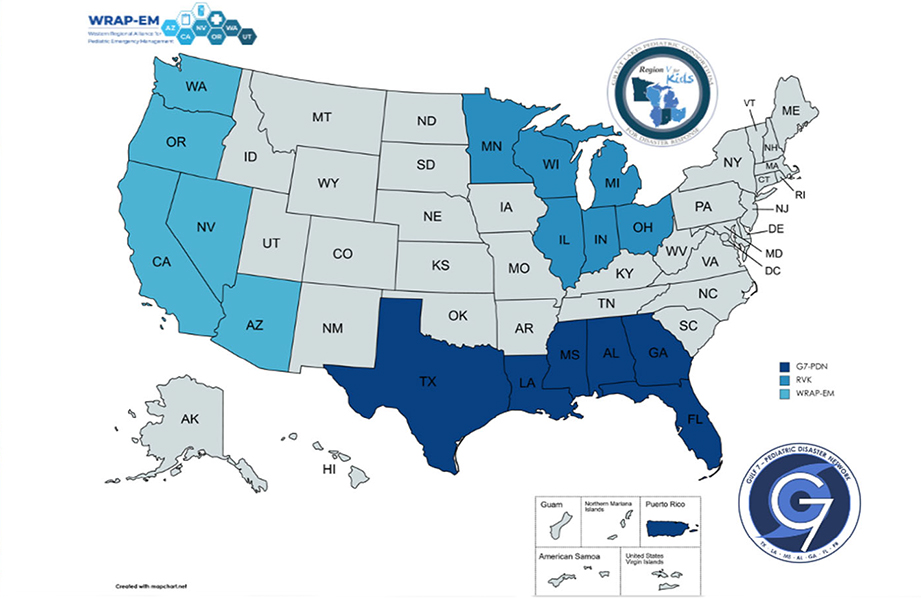
Western Regional Alliance for Pediatric Emergency Management (WRAP-EM) Region V for Kids(formerly EGLPCDR) Gulf 7 Pediatric DisasterNetwork
  • Awarded in 2019
  • Anchored at UCSF Benioff Children's Hospital (Oakland, CA)
  • 6 states: Arizona, California, Nevada, Oregon, Utah, Washington
  • Awarded in 2019
  • Anchored at UH Rainbow Babies & Children's Hospital (Cleveland, OH)
  • 6 states: Illinois, Indiana, Michigan, Minnesota, Ohio, Wisconsin
  • Awarded in 2022
  • Anchored at Texas Children's Hospital (Houston, TX)
  • 7 states/territories: Alabama, Florida, Georgia, Louisiana, Mississippi, Puerto Rico, Texas
WRAP-EM Map

Why These Centers Matter

The ASPR Pediatric Centers of Excellence are vital for several reasons:

  • Specialized Training: They equip healthcare professionals with the skills and knowledge to recognize and treat pediatric emergencies, which differ significantly from adult cases.
  • Resource Coordination: These centers develop and share best practices, facilitate resource sharing, provide technical assistance, and coordinate regional responses to pediatric surges.
  • Disaster-Specific Pediatric Focus: They are specifically dedicated to improving emergency care for children during disasters and public health emergencies when healthcare systems are overwhelmed, resources are limited, and standard care pathways may be disrupted.
  • Family and Community Support: They provide guidance for families, especially those with children with special healthcare needs, to prepare for and navigate disasters.
  • Policy and Advocacy: By highlighting the unique vulnerabilities of children, these centers influence disaster planning at every level, ensuring that children are not an afterthought in emergency preparedness.

Call to Action

Children are our nation's future. Their unique needs demand dedicated attention, resources, and expertise, especially in times of crisis. The ASPR Pediatric Disaster Care Centers of Excellence are leading the way, but continued support from Congress, advocates, and the public is essential to ensure children are protected when disaster strikes.

Investing in child-focused disaster medicine isn't just the right thing to do, it's a critical step toward a safer, more resilient nation for all.


Dr Michael Anderson is a pediatric critical care physician, a professor of pediatrics, and a dedicated child advocate. His work in disaster response has spanned almost three decades and he has served in numerous private sector and government contractor roles in the space. He currently helps lead the three ASPR PDCOEs and is a key subject matter expert for children's issues in ASPR.

Federal Experts Security Advisory Panel

Federal Experts Security Advisory Panel

The Federal Experts Security Advisory Panel (FESAP) was established by Executive Order 13546 on July 2, 2010 to provide recommendations related to the security of biological select agents and toxins (BSAT) to the Secretaries of Health and Human Services and Agriculture and the Attorney General. BSAT are defined in the Select Agent Regulations (42 CFR Part 73, 9 CFR Part 121, and 7 CFR Part 331). The FESAP successfully completed the tasks enumerated by Executive Order 13546 and released the FESAP: Recommendations Concerning the Select Agent Program report detailing the recommendations on November 2, 2010. In July 2014, the FESAP was re-chartered to evaluate approaches to enhance biosafety and biosecurity in the United States. 

Recent incidents involving BSAT have raised serious safety and security policy issues. The White House National Security Council (NSC) staff tasked the FESAP, in September 2014, to 1) identify needs and gaps and make recommendations to optimize biosafety, biosecurity, oversight, and inventory management and control for BSAT; 2) identify actions and any regulatory changes to improve biosafety and biosecurity; and 3) identify an approach to determine the appropriate number of high-containment U.S. laboratories required to possess, use, or transfer BSAT. The NSC requested that the FESAP provide recommended actions to the Assistant to the President for Homeland Security and Counterterrorism, and the Assistant to the President for Science and Technology within 90 days of receiving the tasking. Recommendations were finalized in the Report of the Federal Experts Security Advisory Panel dated December 2014. The USG has developed a plan to implement the FESAP's recommended actions. The USG expects that implementing the recommended actions will strengthen biosafety and biosecurity practices and oversight activities.  
 

Subscribe to