





Ready to Deploy
Banner Image




ASPR Invests $8.3 Million to Expand U.S. Production of Essential Hospital Medicines
FOR IMMEDIATE RELEASE
Contact ASPR Press Office
ASPR Invests $8.3 Million to Expand U.S. Production of Essential Hospital Medicines
Investment will establish the first end-to-end domestic supply chain for metoprolol in decades
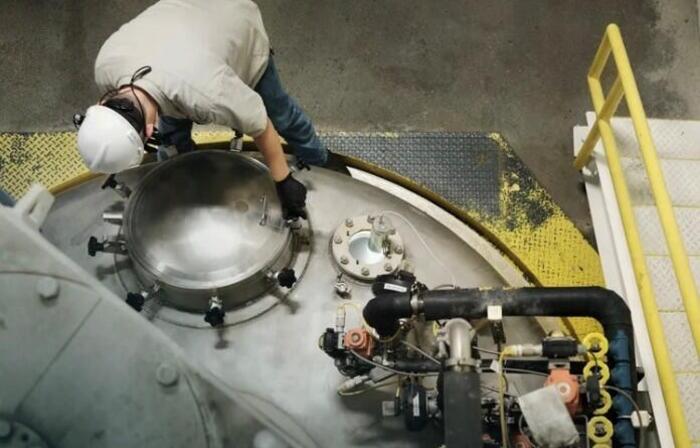
The Administration for Strategic Preparedness and Response (ASPR), part of the U.S. Department of Health and Human Services (HHS), awarded an additional $8.3 million to the API Innovation Center (APIIC) to expand domestic manufacturing capacity for the active pharmaceutical ingredients (APIs) propofol—an injectable sedative used for anesthesia and intensive care unit sedation—and metoprolol, a medication used to treat cardiovascular conditions such as arrhythmias and hypertension and to reduce lung inflammation in intensive care settings. Both medications are included on the U.S. Food and Drug Administration’s (FDA) List of Essential Medicines, Medical Countermeasures, and Critical Inputs.
The United States has historically relied on overseas suppliers, including manufacturers in Asia and Europe, for many essential medicines—creating strategic vulnerabilities in the health care supply chain. With about 90% of cardiovascular medications used in the United States manufactured in India or China, this investment will establish the first end-to-end domestic supply chain for metoprolol in decades while expanding U.S. capacity to produce other critical hospital medicines.
“A resilient health care system requires strong domestic manufacturing,” said John Knox, principal deputy assistant secretary for ASPR. “This investment will support expansion of U.S. production of critical medicines used every day in surgical, intensive care, and cardiovascular settings, while advancing innovative manufacturing technologies that improve our ability to respond during public health emergencies.”
Under the expanded agreement, APIIC – a St. Louis, Missouri-based non-profit that addresses national health security and generic drug reshoring challenges by convening public-private partnerships through its consortium network – will continue its work to modernize manufacturing capacity across multiple sites within its consortium network. Project partners, including Sentio BioSciences and Par Health (formerly Mallinckrodt Pharmaceuticals), are examples of companies deploying continuous flow manufacturing and other advanced processes to establish end-to-end supply chains for critical molecules essential for national health security.
Unlike traditional pharmaceutical manufacturing, which produces medicines in discrete batches, continuous flow manufacturing moves materials through a streamlined, uninterrupted production process. This approach enables faster scale-up or scale-down to meet changing demand, making it well suited for responding to public health emergencies and supply disruptions.
This award builds on IBMSC’s September 2024 investment of $14 million to APIIC to support domestic production of three critical APIs used to treat asthma, hypertension, and anxiety disorders. With today’s announcement, total federal investment in APIIC now exceeds $22 million to strengthen U.S. manufacturing of essential medicines.
These awards were made through the Biopharmaceutical Manufacturing Preparedness Consortium (BioMaP-Consortium), managed by Advanced Technologies International under a cooperative agreement with ASPR’s Biomedical Advanced Research and Development Authority (BARDA). The investment builds on ongoing efforts to strengthen domestic biopharmaceutical manufacturing capabilities.
# # #
ASPR Releases the Fiscal Year 2026 / Budget Period 3 Hospital Preparedness Program Continuation Guidance
FOR IMMEDIATE RELEASE
Contact ASPR Press Office
ASPR Releases the Fiscal Year 2026 / Budget Period 3 Hospital Preparedness Program Continuation Guidance
The Hospital Preparedness Program enhances our nation’s preparedness for and response to disasters and emergencies
Washington D.C. (March 23, 2026) -- The Administration for Strategic Preparedness and Response (ASPR), a division of the U.S. Department of Health and Human Services (HHS), recently updated the Hospital Preparedness Program (HPP) guidance for the third budget period of their cooperative agreement that covers Fiscal Year 2024 – Fiscal Year 2028. Budget Period 3 runs from July 1, 2026, to June 30, 2027, with $240 million in funding available by July 1, 2026, for activities throughout that period.
“The updated guidance provides Hospital Preparedness Program recipients with support for their continued efforts to prepare the nation to respond to disasters and emergencies,” said Principal Deputy Assistant Secretary for Preparedness and Response, John Knox. “Recently we released our new strategic plan for 2026-2029. It is a key priority for ASPR to invest in efforts that strengthen the preparedness and resiliency of state and local governments. Response always starts at the local level, which underscores the importance of our recipients and health care coalitions.”
The new guidance includes important updates and clarifications to support recipients in conducting HPP activities during the upcoming budget period, as they work to increase state and local readiness to get patients the right care, at the right place, and at the right time during disasters and emergencies.
The HPP cooperative agreement is the primary source of federal funding for health care preparedness and response. ASPR’s 62 HPP recipients, including all 50 states, U.S. territories, and freely associated states prepare the health care delivery system to save lives during emergencies that exceed the day-to-day capacity of health care and emergency response systems.
They do this primarily through their support for health care coalitions, networks of public and private health care and emergency response organizations working together within defined geographic areas across the country. Through the HPP, recipients and their coalitions conduct essential day-to-day preparedness activities, such as medical surge exercises and building strong plans and coordination systems. These activities help coalition members share resources and information so patients can more efficiently get the care they need when it matters most.
For more information about the HPP cooperative agreement, visit: https://aspr.hhs.gov/HealthCareReadiness/HPP/Pages/CARRR.aspx.
# # #
About ASPR:
ASPR is the nation’s lead health security agency—driving preparedness before disaster strikes, securing domestic medical supply chains, advancing gold standard science, and delivering a fast, accountable federal response when lives are on the line. We partner with states, local communities, tribes, territories, other federal agencies, and the private sector to strengthen readiness at home. We invest in American manufacturing to reduce foreign dependency, and steward taxpayer resources with transparency, discipline, and measurable outcomes. ASPR protects the American people and ensures that the United States can prepare for, respond to, and recover from any threat to national security, anytime, anywhere.
Care, Coffee, and Camaraderie: Upper Merrimack Valley Medical Reserve Corps Volunteers
Care, Coffee, and Camaraderie: Upper Merrimack Valley Medical Reserve Corps Volunteers
Support Local Veterans at Monthly Breakfast after Massive Snowstorm
 Veterans in the Upper Merrimack Valley of Massachusetts have dedicated years of service to our country. For the past several years, the Upper Merrimack Valley Medical Reserve Corps (UMV MRC) has honored that service by offering free monthly health screenings to help ensure these veterans receive the care and attention they deserve. Every month, veterans from across the Upper Merrimack Valley region come together for a breakfast gathering at the Chelmsford Senior Center, hosted by the Council on Aging and the town’s Veterans Agent. This program was launched about 20 years ago to reduce isolation by increasing opportunities for veterans to participate in community activities. Community partners, such as the chief of police or a state representative, come to show their appreciation and make themselves available to veterans as resources.
Over the years, attendance at the breakfast has grown, and between 60 to 90 veterans now attend each month. That’s when Darcy Beall RN, a public health nurse with Chelmsford Health Department and MRC volunteer, knew it was time to “call in reinforcements from MRC.” In 2022, the Chelmsford Health Department called on the Upper Merrimack Valley Medical Reserve Corps for help, and volunteers have supported these gatherings ever since. MRC volunteers provide free health screenings, including checking blood pressure and pulse, and answering general health and medication questions. Several of the MRC volunteers who assist have become regulars and have gotten to know the veterans personally, often greeting veterans with warm smiles and heartfelt hugs.
Each month, the gathering offers more than health screenings; it provides connection and a healthy start to the day. Veterans are welcomed with a nutritious breakfast featuring protein-rich scrambled eggs alongside fruits and vegetables, reinforcing that caring for health includes both preventive screenings and wholesome food. The shared meal creates space for conversation and camaraderie before volunteers begin medical checks.
For Upper Merrimack Valley MRC Coordinator Nancy Burns, the experience is deeply meaningful. “Few activities are as gratifying as empowering our unit’s caring volunteers to serve a population that has sacrificed so much for our nation,” she said. The nurses bring “significant medical knowledge and skills in patient care” to support retired military personnel, she added, and “everyone involved clearly benefits from these human connections.” Over time, the monthly breakfasts and screenings have become something veterans look forward to; strengthening both their health and their sense of community.
These hypertension screenings can make a big difference in helping to catch issues early and connect veterans with the care they need before more serious complications happen. For many veterans, high blood pressure isn’t just a common condition. Hypertension can be a gateway to more serious health problems, especially when combined with other health issues and limited health care access.
Veterans face a higher risk of developing hypertension because of their experiences during deployment. Chronic stress leading to post-traumatic stress disorder (PTSD), sleep disruption, physical injuries from combat, and exposure to chemicals are factors that the U.S. Department of Veteran Affairs (VA) has linked to an increased risk of developing hypertension. The Veterans Health Administration found that nearly half of veterans receiving care at the VHA between 2016-2019 had been diagnosed with hypertension.
One of the recent breakfasts happened on the heels of the 8th largest snowstorm in the region’s history. The MRC volunteers came through the ice and snow to show up for their neighbors, understanding that medical needs don’t pause for bad weather. For veterans, seeing the same MRC volunteers show up, storm or no storm, also sends a powerful message to them as people who have served our country to protect our freedom: You are valued, your health matters, and your community stands with you.
The impact of these monthly gatherings reflects the strength of the broader Medical Reserve Corps network nationwide. Supported by the Administration for Strategic Preparedness and Response (ASPR) at the U.S. Department of Health and Human Services, the MRC connects local volunteers with the training, coordination, and partnerships needed to support their communities. Whether responding during emergencies or showing up month after month for initiatives like these veteran breakfasts, MRC units are part of a national effort to strengthen community health, resilience, and preparedness.
To learn more about the Medical Reserve Corps and join your local unit, visit https://aspr.hhs.gov/MRC.
New Cybersecurity Module in RISC 2.0 Toolkit Allows Healthcare and Public Health Organizations to Better Analyze Cyber Threats
New Cybersecurity Module in RISC 2.0 Toolkit Allows Healthcare and Public Health Organizations to Better Analyze Cyber Threats
Topic:
The Administration for Strategic Preparedness and Response (ASPR) recently released a new cybersecurity module within the Risk Identification and Site Criticality (RISC) 2.0 Toolkit . The RISC Toolkit is a free, web-based platform where public and private organizations within the healthcare and public health sector can conduct risk assessments by identifying threats, assessing vulnerabilities, determining consequences and criticality, and sharing findings with stakeholders. ASPR has integrated the new cybersecurity module into the existing RISC 2.0 platform, allowing facilities, health systems, and coalitions to analyze cyber risk alongside other hazards in one unified tool.
We acknowledge that cyber threats are growing more sophisticated, and we believe that cyber safety is patient safety. The cybersecurity module is our latest resource to assist our health care and public health partners in preventing the disruption of patient care and strengthening national health security. The new module guides users through a series of questions, in the style of a user-friendly self-assessment, about their policies and practices. Answers are scored against the NIST Cybersecurity Framework (CSF) 2.0 and HPH Cybersecurity Performance Goals (CPGs) . This objective, standards-based approach helps organizations identify critical gaps, prioritize investments, and make informed decisions about risk mitigation. When health care organizations have the means to identify risks and vulnerabilities, they can implement strategies that minimize disruptions to patient care and strengthen preparedness and resilience.
The cyber module helps hospitals and healthcare systems better understand their cyber risks and areas where they may be particularly vulnerable. Once users better understand their risk profile, they can use existing field-proven tools like the CPGs and NIST CSF 2.0 to protect patient safety and increase the cyber resiliency of their organization. ASPR leads the HHS divisions and serves as the Sector Risk Management Agency for the Healthcare and Public Health Sector, and provides guidance and support to public and private partners to help enhance cybersecurity.
There are currently more than 3,500 health systems using the RISC toolkit to improve awareness of risks facing their facilities and communities, thus strengthening state and local resilience. In the tool, users enter site-specific data points through a series of questions. This information is then combined with data from 14 national databases, including the FBI crime and United States Geological Survey (USGS) earthquake databases, to provide a comprehensive assessment of threats and hazards resulting in an objective data-driven risk score for the facility. This allows organizations to better target capital investments and efforts to minimize the effects of natural disasters, security breaches, or other potential hazards to help lower risks to their facilities, staff and patients. Consistent analysis of these data creates a consistent method for assessing risk.
We must acknowledge that cyber safety is patient safety. The new RISC toolkit cybersecurity module will help our partners understand what is needed to strengthen their resilience and we strongly encourage them to take advantage of it.
ASPR Invests $9 Million to Strengthen Domestic Production of Critical Ingredient Used in Pain Management, Alcohol Use Disorder, and Overdose Reversal Medications
FOR IMMEDIATE RELEASE
Contact ASPR Press Office
ASPR Invests $9 Million to Strengthen Domestic Production of Critical Ingredient Used in Pain Management, Alcohol Use Disorder, and Overdose Reversal Medications
ASPR Invests $9 Million to Strengthen Domestic Production of Critical Ingredient Used in Pain Management, Alcohol Use Disorder, and Overdose Reversal Medications
The Administration for Strategic Preparedness and Response (ASPR), part of the U.S. Department of Health and Human Services (HHS), awarded $9 million to Antheia Inc. to support the expansion of the domestic production of thebaine. Thebaine is a key starting material used to manufacture analgesic and antagonist medications. These medications are included on the U.S. Food and Drug Administration’s (FDA) List of Essential Medicines, Medical Countermeasures, and Critical Inputs, and support pain management, alcohol use disorder, and the reversal of opioid overdose.
Under the agreement, Antheia, Inc., based in Menlo Park, California, will build on a 2024 award to accelerate expansion of its biomanufacturing capacity to include domestic production of thebaine. Antheia’s advanced biosynthesis platform packs unprecedented complexity into engineered microbial hosts, enabling efficient and commercial-scale production of critical pharmaceutical ingredients that are vital to national public health systems.
“Thebaine-derived medicines are critical for pain management, alcohol use disorder, and opioid overdose reversal, yet they remain in short supply and rely on vulnerable global supply chains,” said ASPR Principal Deputy Assistant Secretary John Knox. “Supply interruptions from India and Turkey – our major supplier of opium-based medicines and their raw materials – can limit our health care system’s ability to respond to public health emergencies, including mass casualty incidents and opioid-related exposures, such as a potential chemical incident involving fentanyl.”
This award supports efforts to onshore and bring back domestic manufacturing. Strengthening domestic manufacturing of critical pharmaceutical ingredients enhances national health security, reduces reliance on concentrated foreign sources, supports high-skilled job creation, and helps ensure a stable supply of medicines that save lives.
This award was made through the Biopharmaceutical Manufacturing Preparedness Consortium (BioMaP-Consortium), managed by Advanced Technologies International under an other transaction agreement with ASPR’s Biomedical Advanced Research and Development Authority (BARDA). The investment builds on prior efforts to expand domestic biopharmaceutical manufacturing capabilities.
# # #