TACMED: Tactical Medical Teams
Banner Image

Official websites use .gov
A .gov website belongs to an official government organization in the United
States.

Secure .gov websites use HTTPS
A lock (
) or https:// means you’ve safely
connected to the .gov website. Share sensitive information only on official, secure websites.



May 11, 2026: News Conference at UNMC on Arrival of MV Hondius Passengers
May 10, 2026: HHS Supports Repatriation of U.S. Citizens to Specialized Care Facilities
Follow @HHSGov for updates
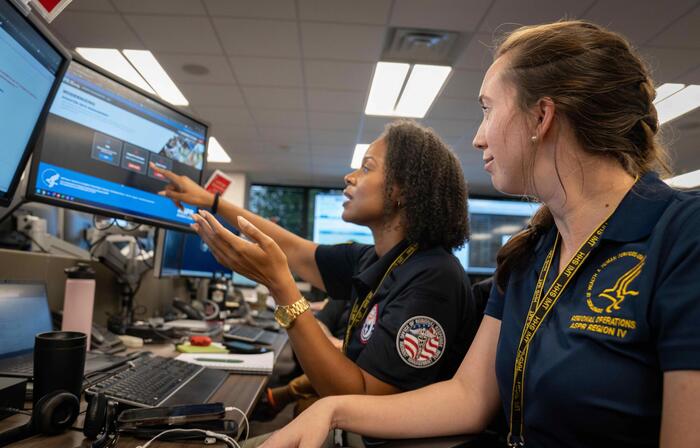
ASPR supported the Department of State-led repatriation of Americans from the MV Hondius following an Andes hantavirus outbreak by coordinating medical and operational support. This effort was supported by specialized treatment centers across the National Special Pathogen System and is focused on the safe return Americans home while protecting public health. All passengers tested negative for Andes Hantavirus before leaving the facility.
As the national lead under Emergency Support Function 8 of the National Response Framework, ASPR worked with our state, local, tribal, and territorial partners to ensure an effective public health and medical response.
Passengers were transported by Department of State airlift to two of ASPR’s Regional Emerging Special Pathogen Treatment Centers in the United States: University of Nebraska Medical Center/Nebraska Medicine in Omaha, Nebraska and Emory University/Children’s Healthcare of Atlanta in Atlanta, Georgia. Upon arrival at each facility, every person underwent clinical assessment and received appropriate care and support based on their condition.
The National Special Pathogen System (NSPS) helps the country prepare the healthcare system, protect the healthcare workforce, and respond to special pathogen events by coordinating special pathogen care across the United States. The NSPS consists of a tiered system of care, made up of healthcare facilities across the country.
Within the NSPS, the 13 Regional Emerging Special Pathogen Treatment Centers (RESPTCs) provide the highest level of care. The RESPCTs are regional resource hubs which provide highly specialized care, designed to treat and care for patients for their duration of illness.
The federally-funded National Quarantine Unit (NQU), inside the University of Nebraska Medical Center Dr. Edwin G. & Dorothy Balbach Davis Global Center, is specifically designed to provide world-class quarantine and isolation care to individuals exposed to highly communicable diseases. Its 20 rooms employ individual negative air pressure systems, are single occupancy with ensuite bathroom facilities and contain exercise equipment and Wi-Fi connectivity for patients requiring longer stays.
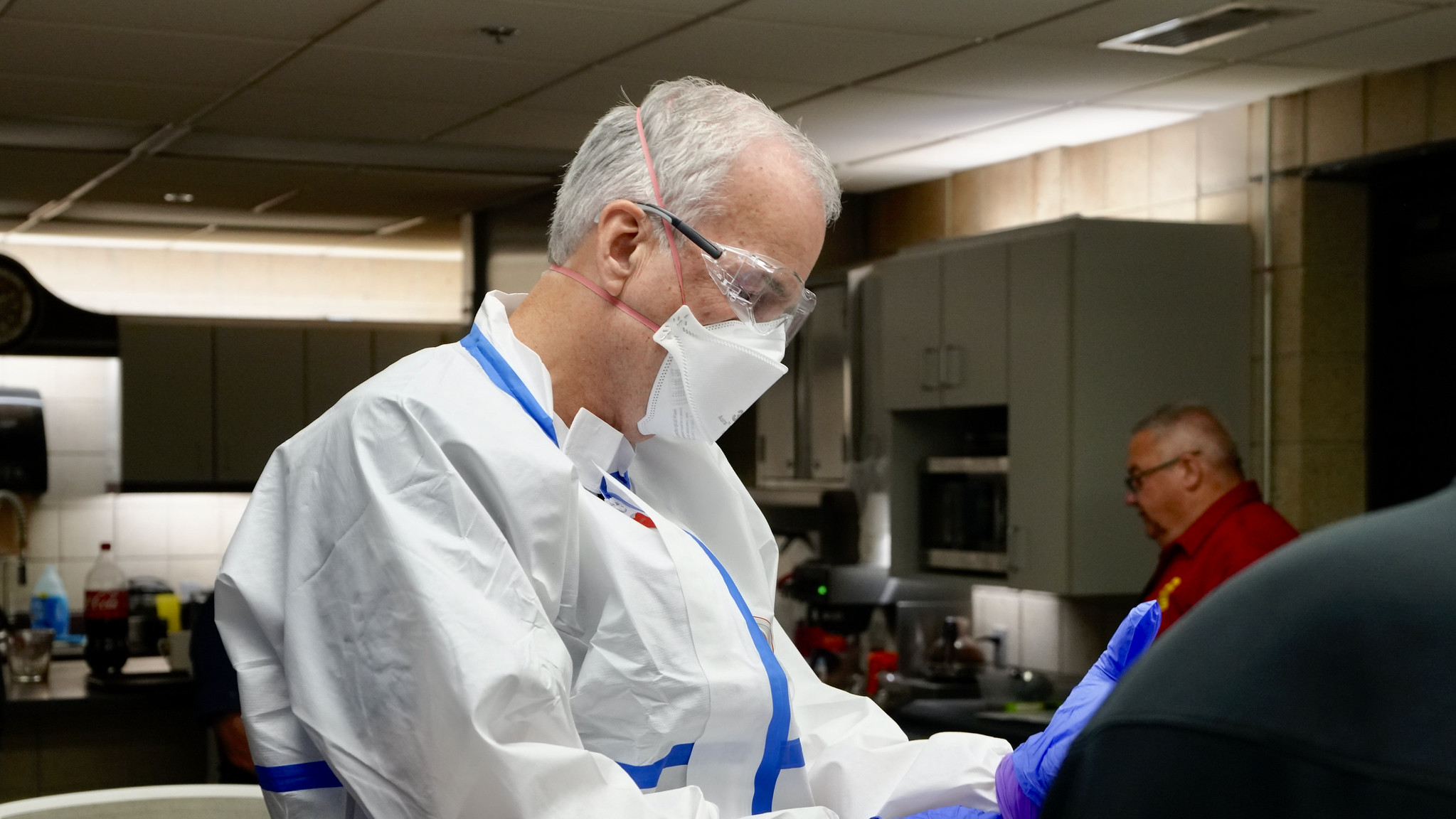
The NQU's team is comprised of highly skilled nurses, physicians and allied health professionals who complete quarterly training in specialized infection prevention and control processes as well as participate in exercises and drills. They are committed to maintaining the advanced skills necessary for attending to the unique needs of individuals requiring monitoring.
The Nebraska Biocontainment Unit (NBU) was dedicated in 2005. The NBU is a collaborative project involving Nebraska Medicine and the University of Nebraska Medical Center. In addition to providing medical care for patients with high consequence infectious diseases, the unit has active research and outreach training programs for the region and nation. It is funded by ASPR and is a Level 1 Special Pathogen Treatment Center which undergoes annual readiness assessments. Unit personnel consist of a staff of select physicians, nurses, nursing assistants and respiratory therapists specially trained in high-level isolation and bio preparedness.
Emory University is a global leader in the research and treatment of infectious diseases and is one of the Southeast’s leading health care systems. In 2014, Emory University Hospital successfully treated four patients with Ebola virus disease, including the first Ebola patient in the U.S. Emory’s groundbreaking work on Ebola led to innovations in patient care that continue to be implemented worldwide.
October 7, 2026: Renewal of Determination that a Public Health Emergency Exists as a Result of the Continued Consequences of Typhoon Sinlaku
April 20, 2026: HHS Activates Emergency Prescription Assistance Program to Support Uninsured CNMI Residents Following Typhoon Sinlaku
April 18, 2026: Emergency Prescription Assistance Program activated in CMNI
April 18, 2026: HHS Secretary Kennedy Declares Public Health Emergency for Guam, CNMI in Response to Typhoon Sinlaku
On April 17, 2026, Secretary of Health and Human Services Robert F. Kennedy declared a public health emergency in two U.S. territories, Guam and the Commonwealth of Northern Mariana Islands (CNMI) to address the health impacts of Typhoon Sinlaku. Now, the Centers for Medicare & Medicaid Services’ (CMS) health care providers and suppliers have more flexibility in meeting emergency health needs of Medicare and Medicaid beneficiaries in these two U.S. territories.
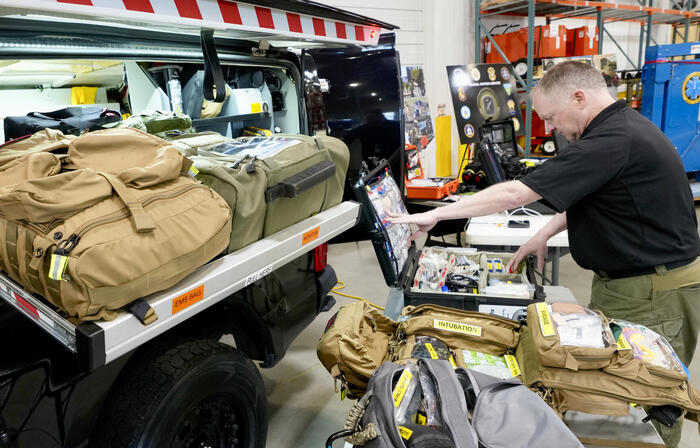
ASPR has deployed a Health and Medical Task Force from the National Disaster Medical System, an Incident Management Team, disater behavioral health team, and a health care system assessment team. We are working with our territorial and federal partners to assess public health and medical needs in the wake of the storm and determine how federal support can be most effective. Additional teams of responders remain on alert.
If you are uninsured and living in the Commonwealth of the Northern Mariana Islands and you have been impacted by Typhoon Sinlaku, you may be able to get free prescription medications, medical supplies, and/or medical equipment through the Emergency Prescription Assistance Program (EPAP).
The HHS emPOWER Program is available to identify the number of Medicare beneficiaries in affected zips codes who rely on electricity-dependent durable medical equipment and certain healthcare services, such as dialysis, oxygen tank, or home health. The tool is used to help anticipate, plan for, and respond to the needs of at-risk individuals in potentially impacted areas.
The ASPR Disaster Telemedicine Program provides rapid deployment of virtual personal to enhance continuity of care and we are making these resources available during our response to Typhoon Sinlaku.
The HHS Substance Abuse and Mental Health Services Administration (SAMHSA) offers free crisis counseling through the Disaster Distress Helpline. This toll-free, multilingual, crisis support service is available 24/7 to all residents in the U.S. and its territories who are experiencing emotional distress related to natural or human-caused disasters. To connect with a trained counselor, call or text 1-800-985-5990.
We encourage communities in all typhoon prone areas to use ASPR TRACIE's resources to plan to protect health.
WASHINGTON—May 10, 2026 — The U.S. Department of Health and Human Services (HHS), through the Administration for Strategic Preparedness and Response (ASPR) and the Centers for Disease Control and Prevention (CDC), is supporting the U.S. Department of State in the repatriation of American citizens from the MV Hondius cruise ship affected by the Andes variant of hantavirus.
In coordination with interagency partners, these American citizens will be transported by Department of State airlift to the United States. The airlift will first transport passengers to the ASPR Regional Emerging Special Pathogen Treatment Center at the University of Nebraska Medical Center/Nebraska Medicine in Omaha, Nebraska, then continue to one or more other destinations to transport remaining passengers to an ASPR RESPCT. Upon arrival at each facility, each individual will undergo clinical assessment and receive appropriate care and support based on their condition.
“HHS is coordinating across the federal government and with international partners to secure the safe return of American citizens exposed to the Andes variant of hantavirus aboard the cruise ship,” said HHS Secretary Robert F. Kennedy, Jr. “Protecting the health and safety of Americans remains our highest priority, and we have deployed the nation’s leading medical and public health resources in this effort.
ASPR is coordinating medical and operational support for the repatriation effort, including integration with specialized treatment centers and readiness across the National Special Pathogen System.
The CDC continues to provide public health guidance and risk assessment. It has deployed teams to assess the cruise ship passengers and is coordinating with state health departments for contact tracing and exposure assessment. The agency also released a Health Alert Network (HAN) Health Advisory to inform clinicians and health departments on the recent clusters of hantavirus disease cases caused by infection with Andes virus.
The overall risk to the American public from the Hantavirus and its Andes variant remains extremely low. Hantavirus is not typically spread person to person; transmission is rare and limited to close-contact settings.
###